How to Identify Connector Contacts (Machined vs Stamped)
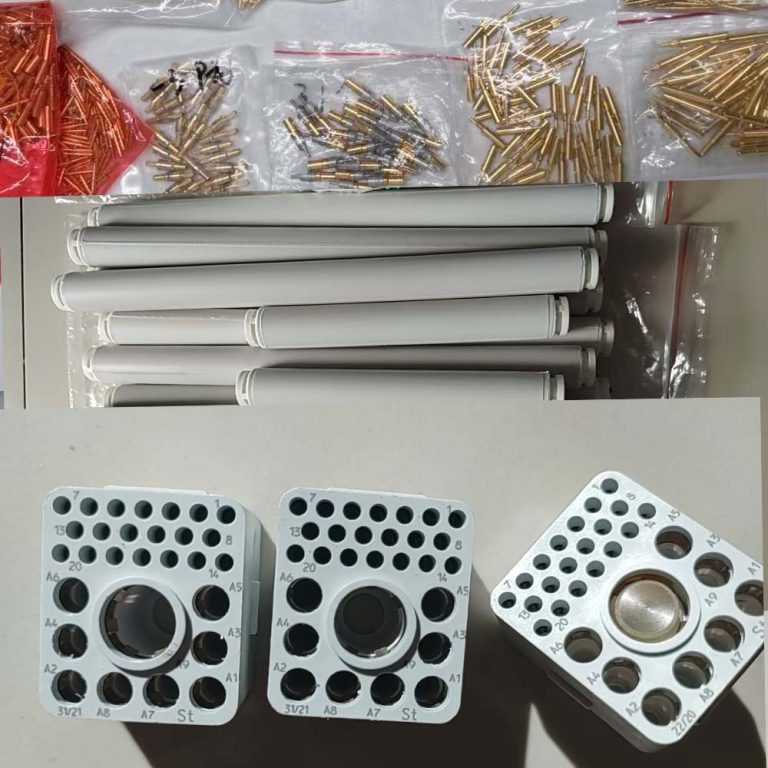
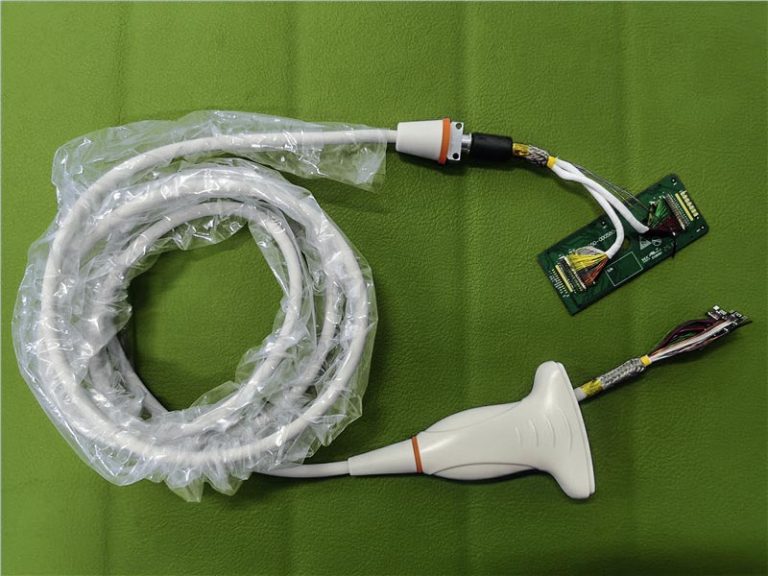
Correctly identifying connector contacts is essential for efficient repair and replacement—especially in cable assemblies and MRI systems, where only a few failed contacts often need to be replaced rather than the entire connector.
However, in many real-world cases, original part numbers are unavailable.
Technicians and engineers must rely on visual inspection and structural features to determine the correct contact type.
This guide explains how to distinguish between machined vs stamped contacts, and how to identify the right replacement.
Why Identification Matters in Connector Repair
Misidentifying a contact can lead to:
- Poor mating performance
- Increased contact resistance
- Premature failure
- Compatibility issues with existing connectors
In many repair scenarios—especially in MRI systems—only a few contacts are damaged, making accurate identification critical.
➡️ For a complete overview of contact-level repair solutions, see:
MRI Connector Contact Repair Solutions
Main Types of Connector Contacts
Connector contacts are typically divided into two main categories based on manufacturing method:
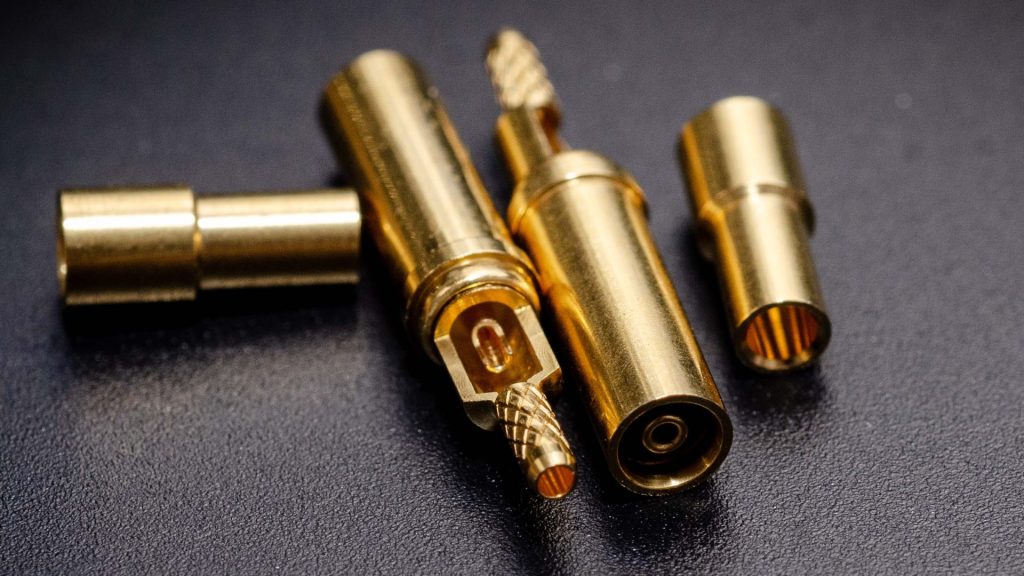
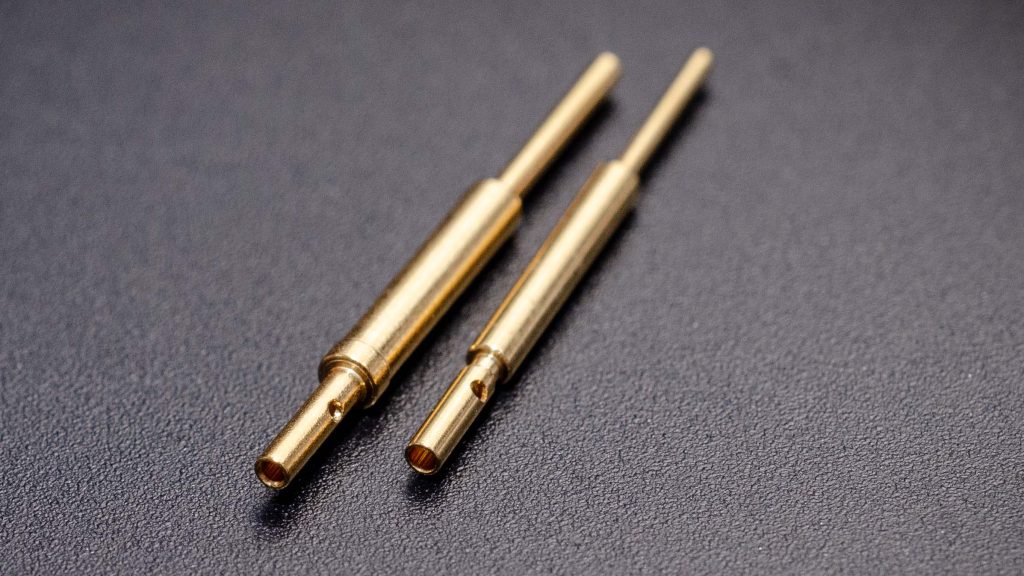
Machined Contacts (Closed Socket / Solid Pin)
Machined contacts are made from solid metal using precision machining.
Characteristics:
- One-piece structure
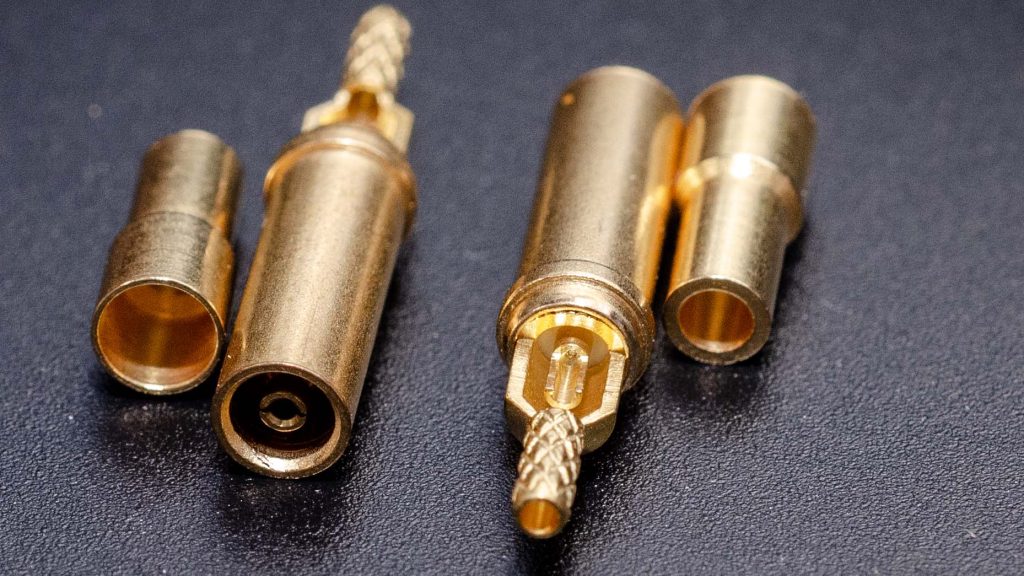
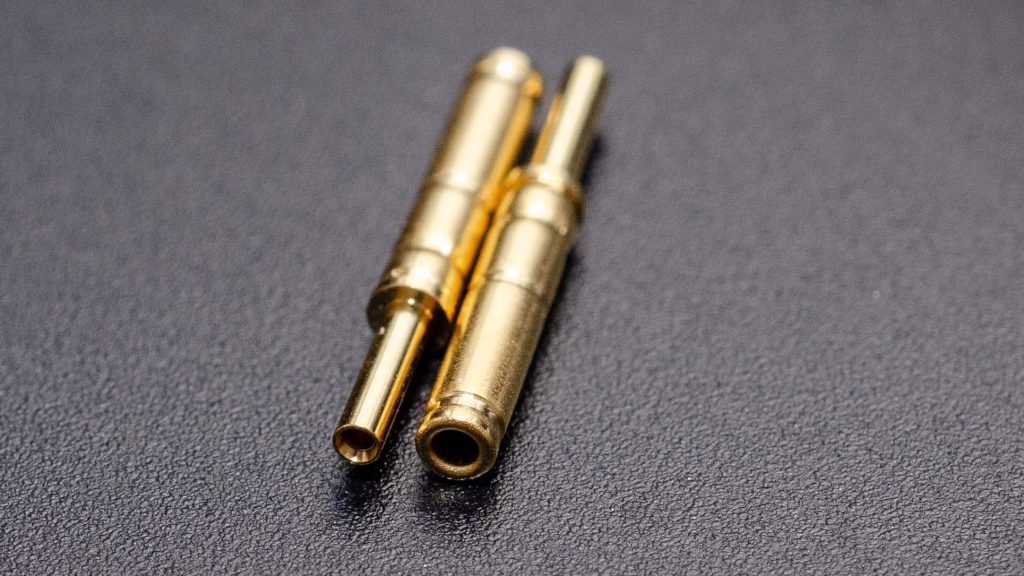
- Closed socket (no visible slots)
- High dimensional consistency
- Smooth surface finish
Typical use cases:
- High-reliability applications
- Frequent mating cycles
- Precision connectors
Stamped & Formed Contacts (Slotted / Crimp-Style)
Stamped contacts are formed from metal sheets and shaped into spring structures.
Characteristics:
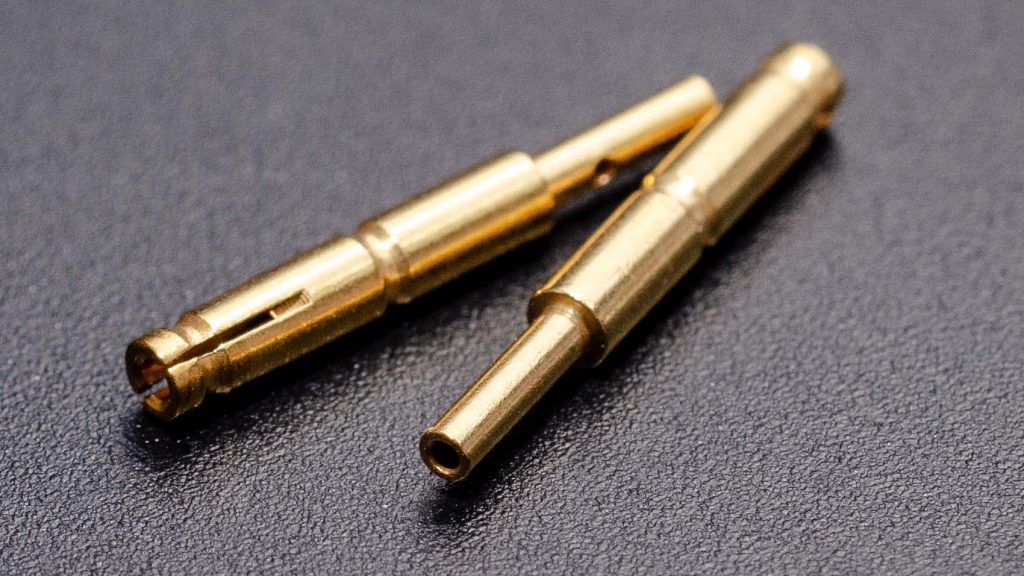
- Slotted or multi-beam socket
- Flexible contact beams
- Cost-effective production
- Common in cable assemblies
Typical use cases:
- General electrical connections
- Cost-sensitive designs
- Applications with moderate mating cycles
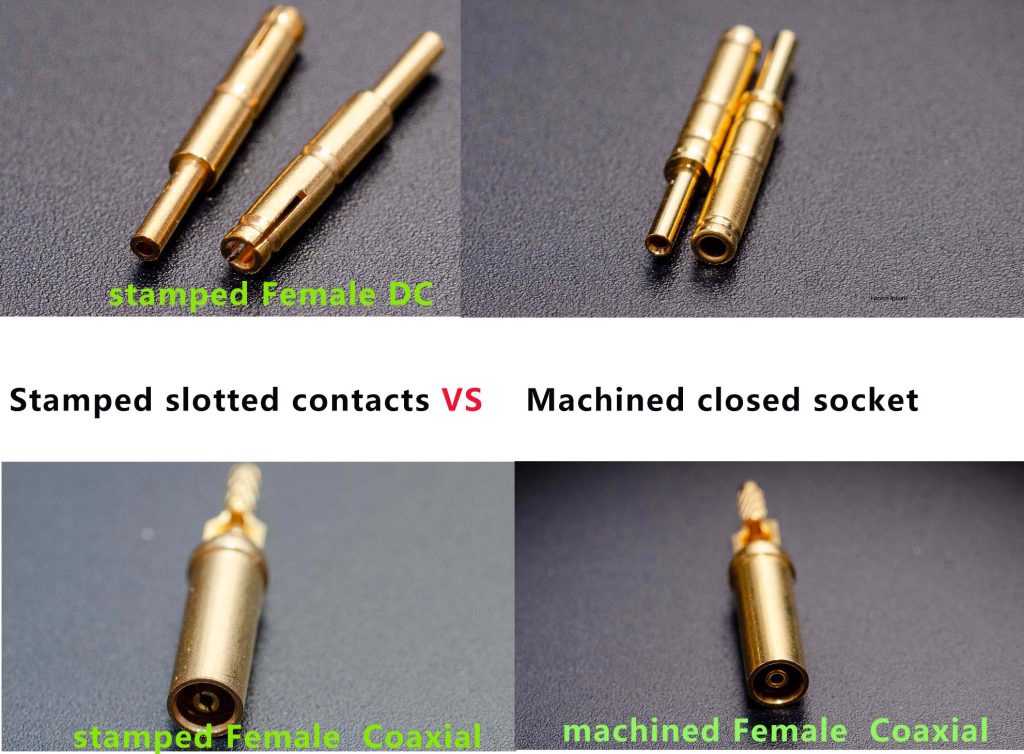
Visual Comparison (Visual difference between machined closed socket and stamped slotted contacts)
)
Key Differences Between Machined and Stamped Contacts
| Feature | Machined Contacts | Stamped Contacts |
|---|---|---|
| Structure | One-piece solid | Slotted / formed |
| Socket Type | Closed socket | Slotted / multi-beam |
| Durability | High | Moderate |
| Contact Force Stability | Consistent | May decrease over time |
| Cost | Higher | Lower |
| Typical Use | High-reliability systems | Cable assemblies |
How to Identify Contact Type (Step-by-Step)
When part numbers are unknown, follow these steps:
Step 1: Check the Socket Opening
- Closed (round hole) → Likely machined contact
- Visible slots or gaps → Stamped contact
Step 2: Observe the Structure
- Machined contacts → smooth, solid, uniform
- Stamped contacts → visible seams, formed beams
Step 3: Check Flexibility
- Slotted contacts usually have spring-like flexibility
- Machined contacts rely on precision fit rather than elastic beams
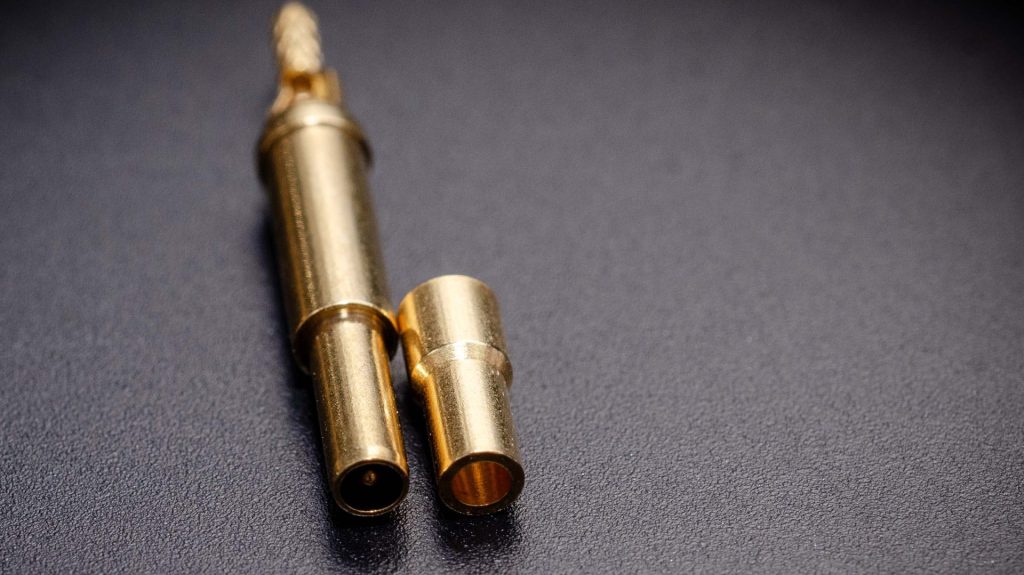
Step 4: Identify Coaxial vs Non-Coaxial
- Coaxial contacts → central conductor + insulation structure
Electrical contacts → solid metal without coaxial layers
Common Mistakes in Contact Identification
- Assuming all socket contacts are the same
- Ignoring slotted vs closed socket differences
- Overlooking coaxial structures
- Not checking dimensions or mating interface
These mistakes can lead to incorrect replacement and repeated failures.
When to Choose Machined vs Stamped Contacts
The choice depends on application requirements:
Choose machined contacts if:
- High reliability is required
- Frequent mating cycles are expected
- Stable contact force is critical
Choose stamped contacts if:
- Cost efficiency is important
- Application is less demanding
- Flexibility in design is needed
👉 Related Solution
If you’re working on connector repair and need help identifying or replacing contacts:
➡️ MRI Connector Contact Repair Solutions
This page explains available contact types and how to select suitable replacements.
Need Help Identifying Your Contact?
If you’re unsure about the contact type:
- Share photos of the contact
- Provide dimensions if available
- Send samples if necessary
We can help identify the correct type and suggest a suitable replacement solution.
✅ Summary
Connector contacts are typically classified into:
- Machined contacts (closed socket / solid pin)
- Stamped contacts (slotted / crimp-style)
By checking structure, socket design, and function, you can accurately identify the contact type—even without part numbers.
This is essential for effective repair, especially in applications where replacing individual contacts is more practical than replacing entire connectors.