MRI Connector Contact Repair Solutions | Replace Contacts Instead of Full Connectors
Cost-effective MRI connector repair solutions. Replace damaged contacts instead of entire connectors. Coaxial and electrical contacts available in machined and stamped designs.
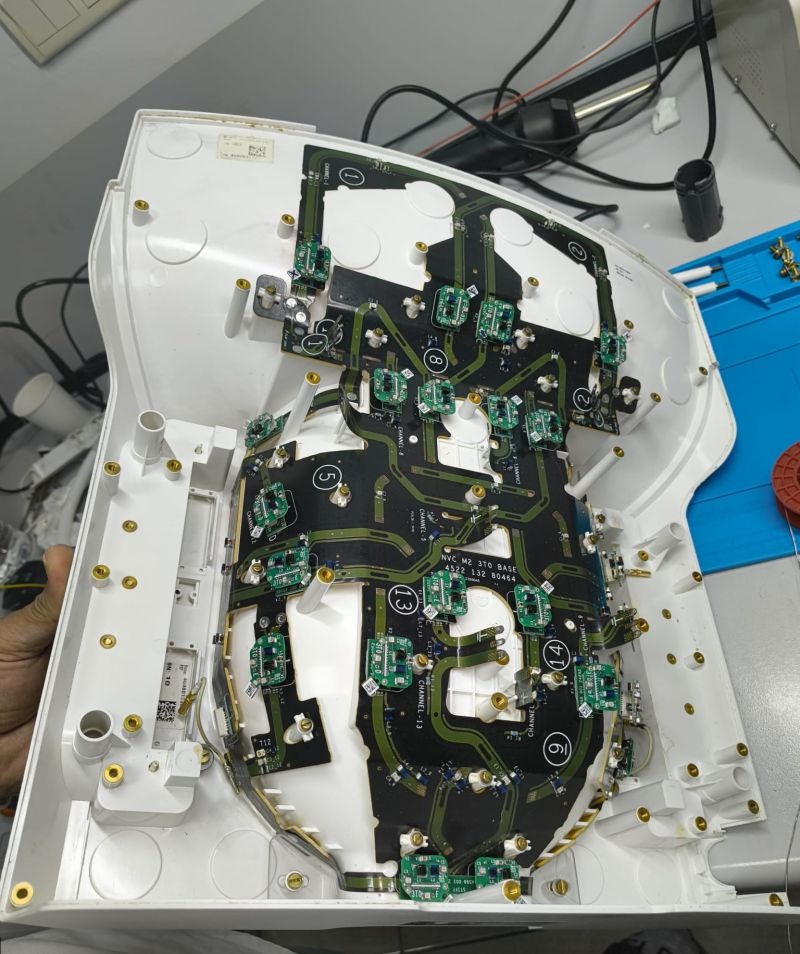
In MRI systems, connector failures are more common than expected — but in many cases, the issue is not the entire connector.
Often, only a few contacts (pins or sockets) are damaged or worn.
Replacing these individual contacts is a far more efficient and cost-effective solution than replacing the complete connector assembly.
We provide a range of contact-level repair components designed for MRI cable assemblies and connector refurbishment.
Why Replace Contacts Instead of the Entire Connector?
In real repair scenarios, common issues include:
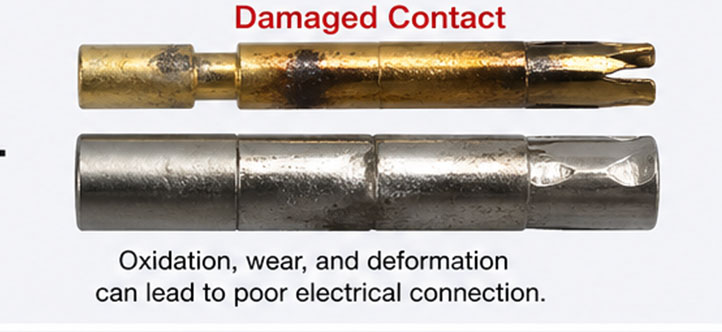
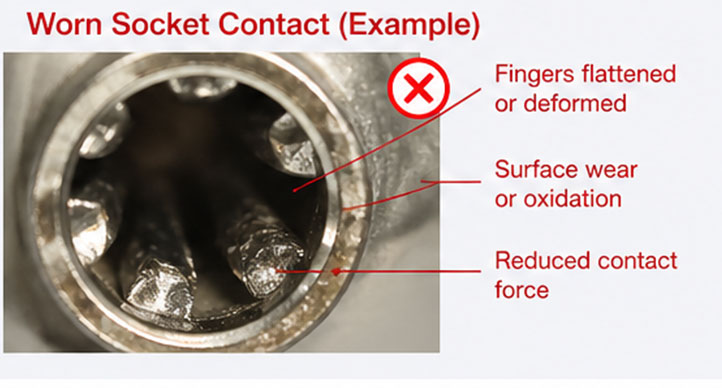
- Worn or oxidized contact surfaces
- Reduced contact force (especially in slotted contacts)
- Local overheating due to poor electrical connection
- Mechanical damage caused by repeated mating
Benefit:Replacing only the failed contacts can:
- Reduce repair cost significantly
- Shorten maintenance time
- Extend equipment life
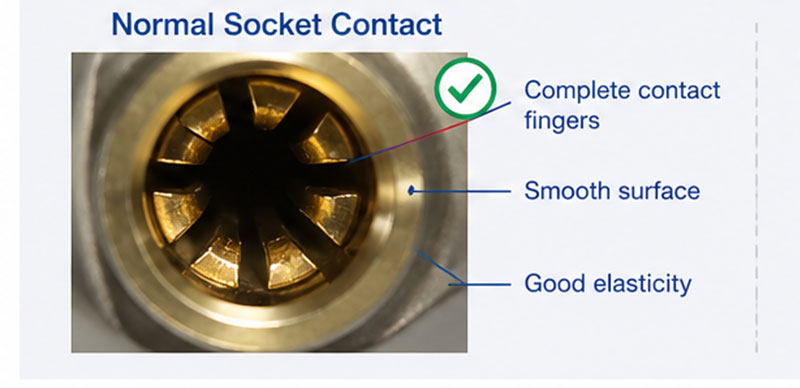
Damaged Contact vs. Normal Contact
Close-up of Contact Wear(Socket Contact)
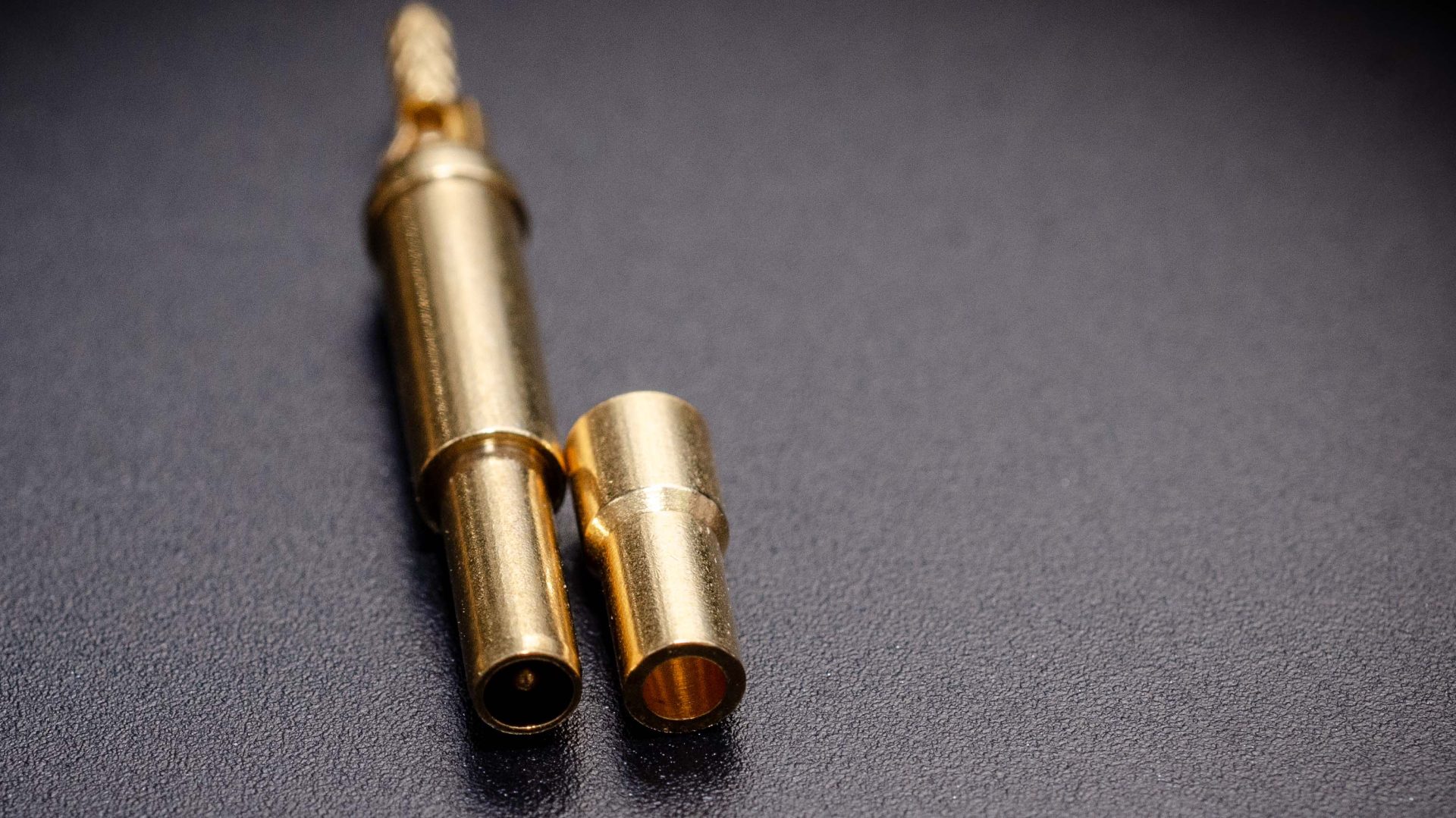
Types of Contacts Available for Repair
We offer both coaxial (RF) and electrical (non-coaxial) contacts used in MRI systems.
1. Coaxial Contacts (RF Applications)
Used for signal transmission in MRI systems.
Available types:
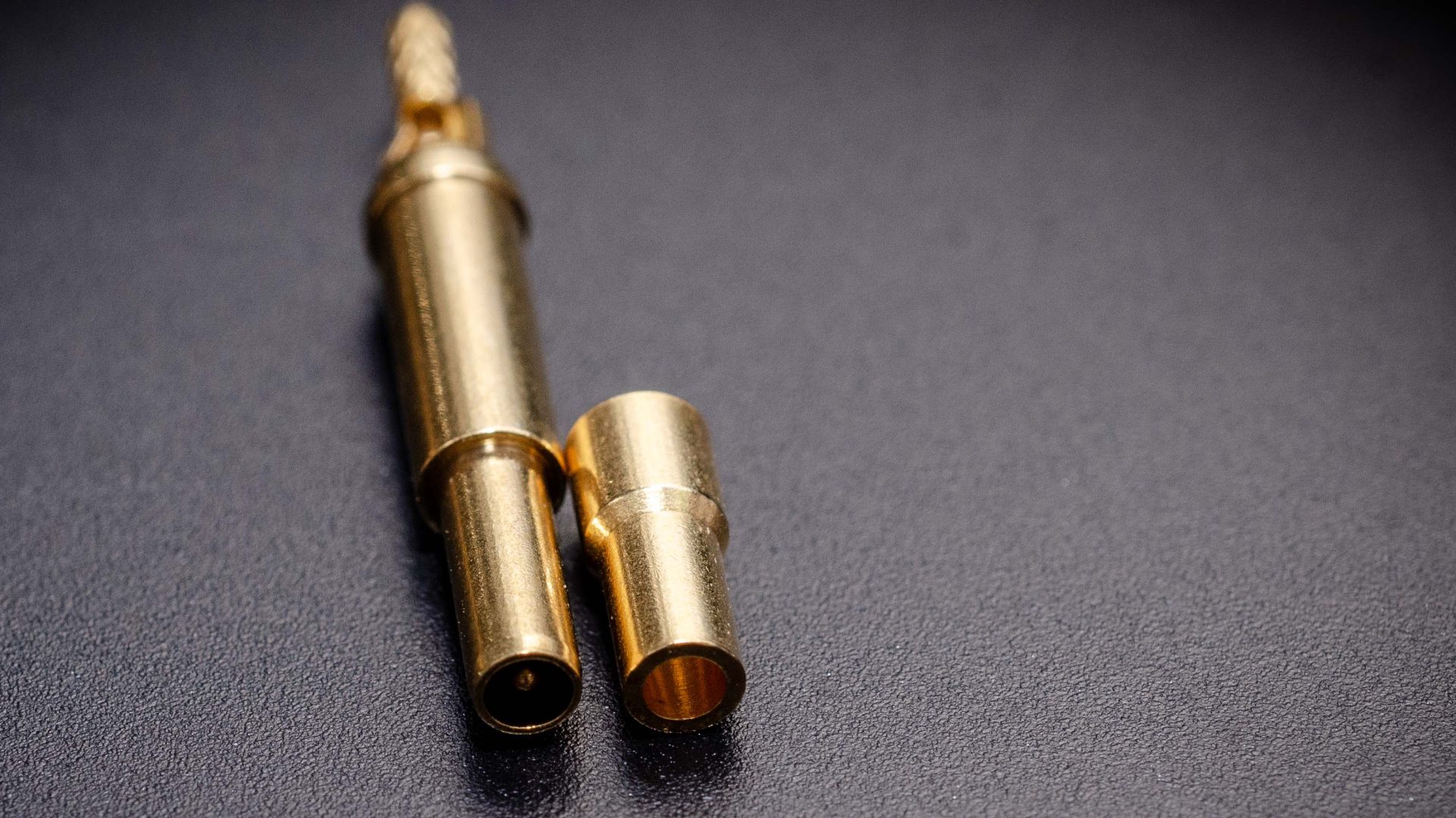
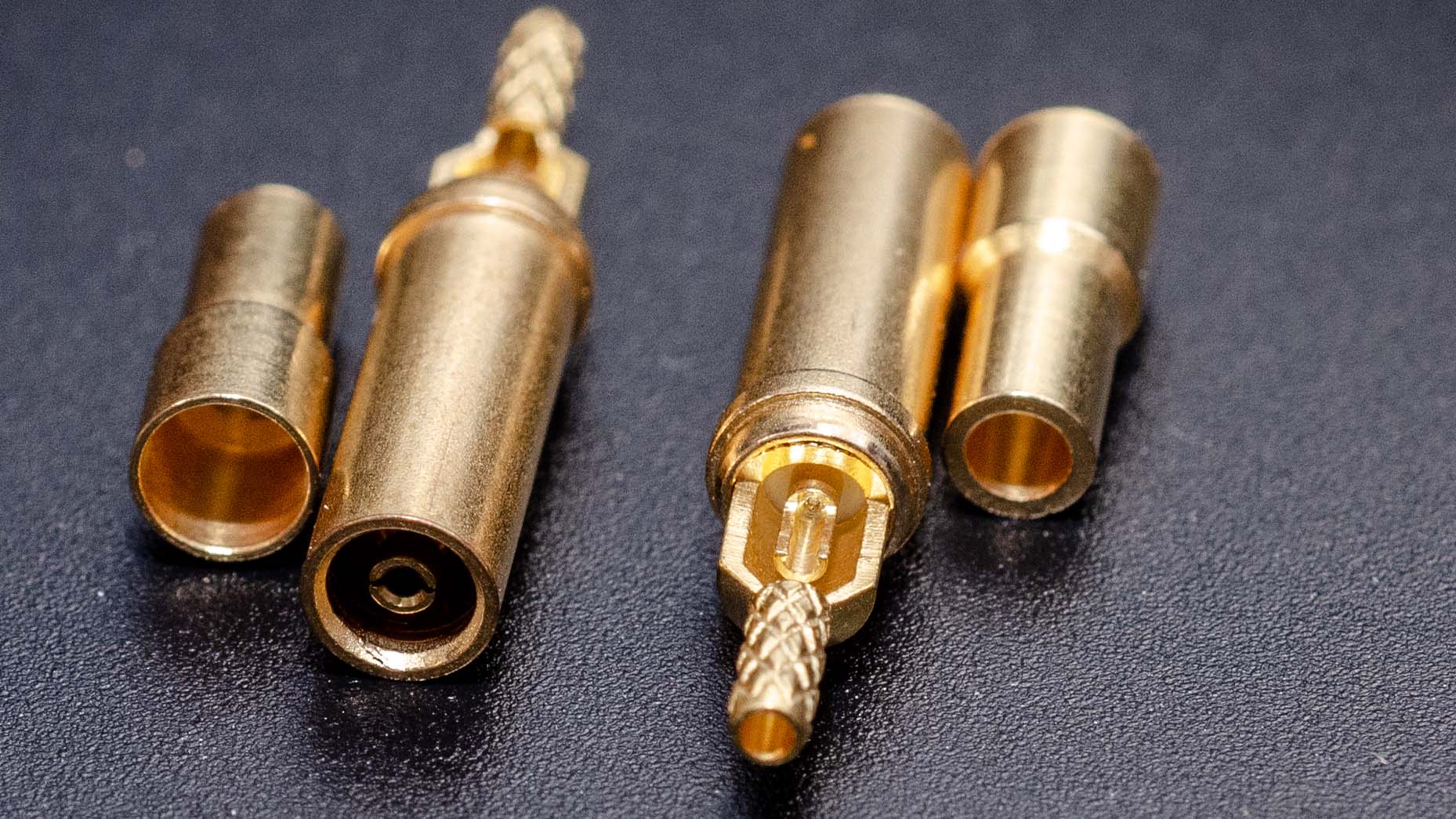
- Coaxial female socket contact, machined closed socket
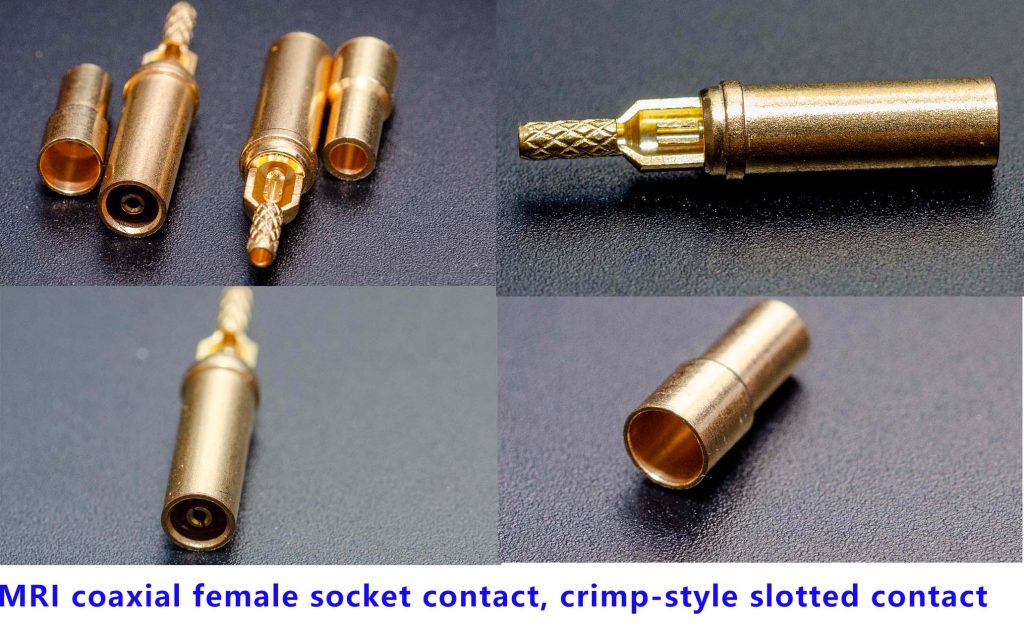
- Coaxial female socket contact, stamped & formed slotted design
- Coaxial male pin contact, machined solid pin
Key differences:
- Machined contacts provide higher consistency and durability
- Stamped contacts offer better cost efficiency and flexibility
Electrical Contacts (Power / Signal / Control)
Used in cable assemblies for various electrical connections.
Available types:
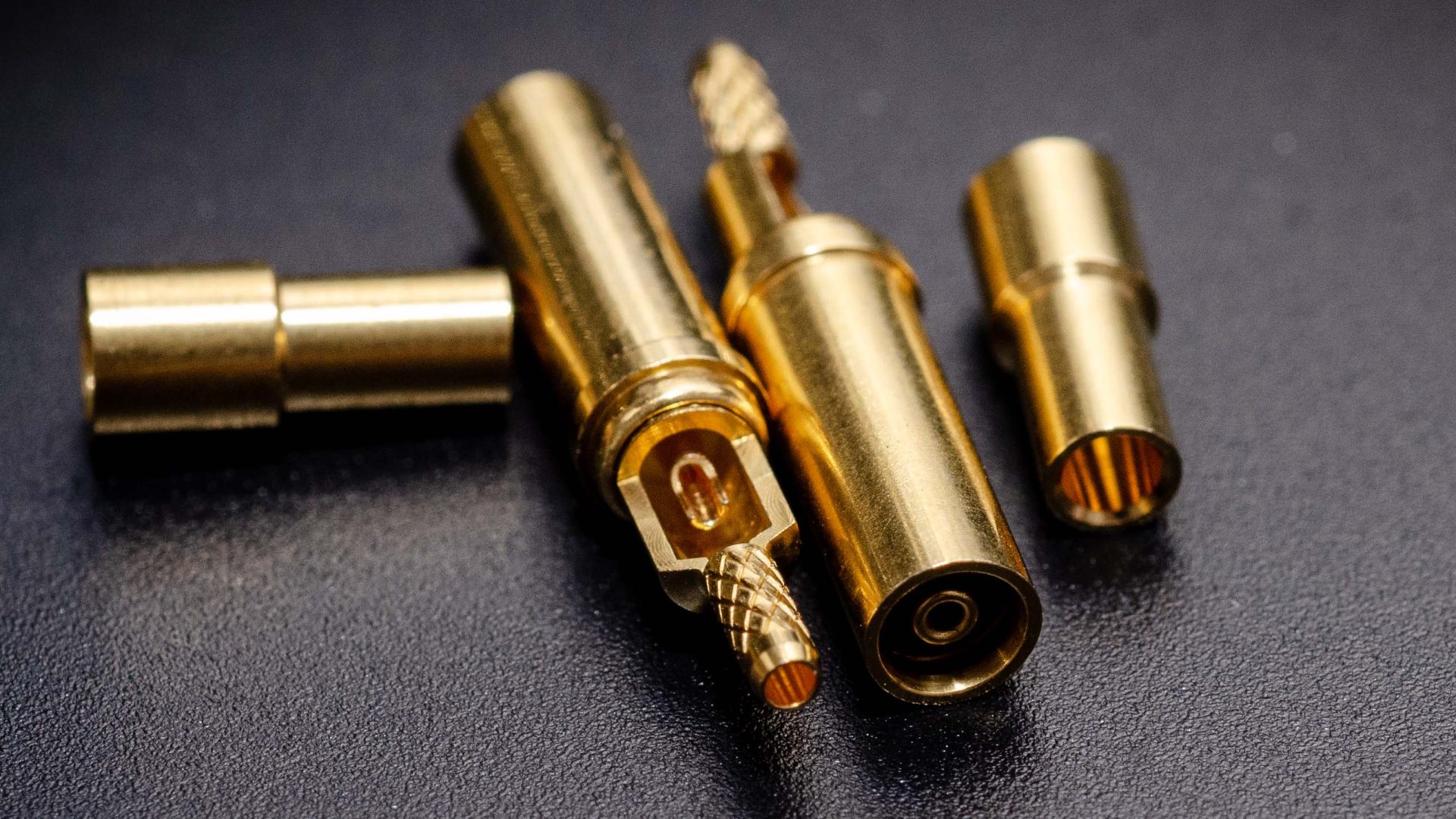
- Female socket contact, crimp-style (stamped & formed slotted)
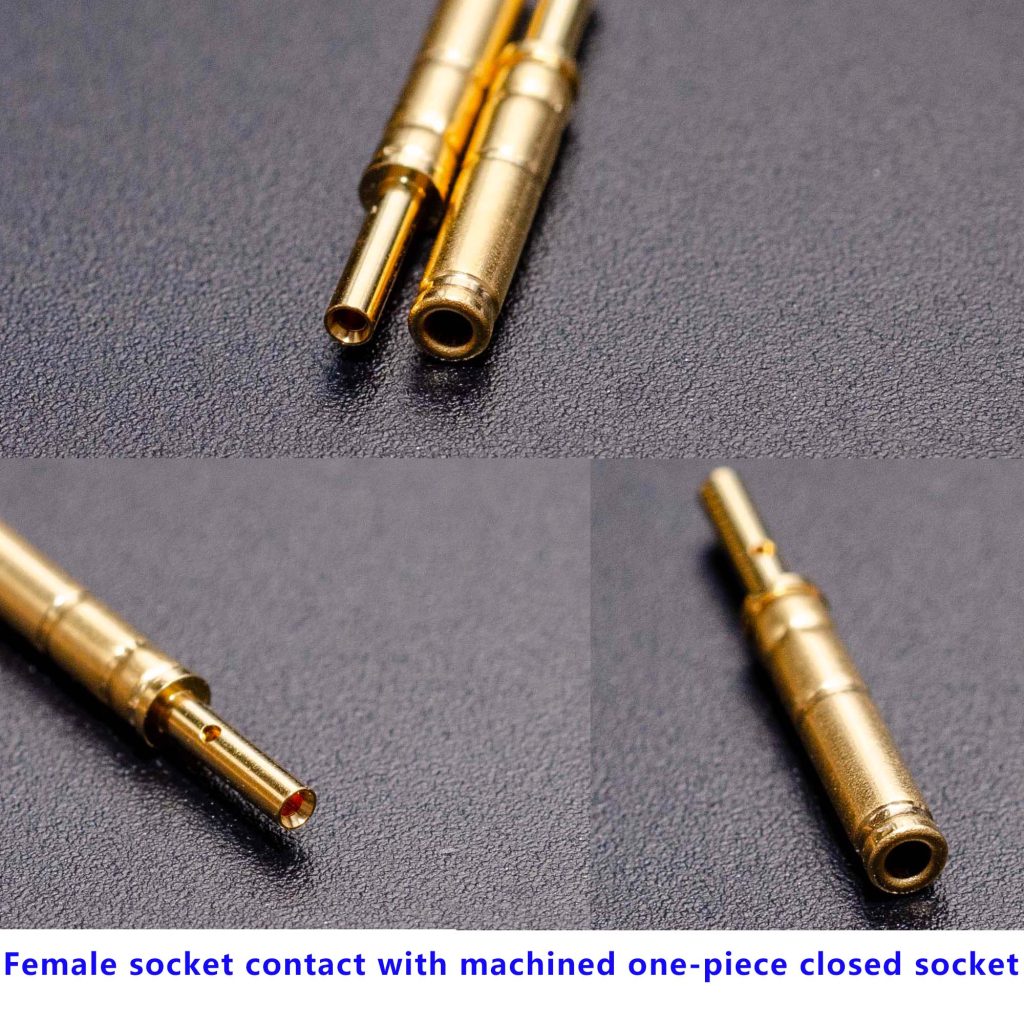
- Female socket contact, machined closed socket
- Male pin contact, machined solid pin
These contacts can be used for power, signal, or control applications depending on system requirements.
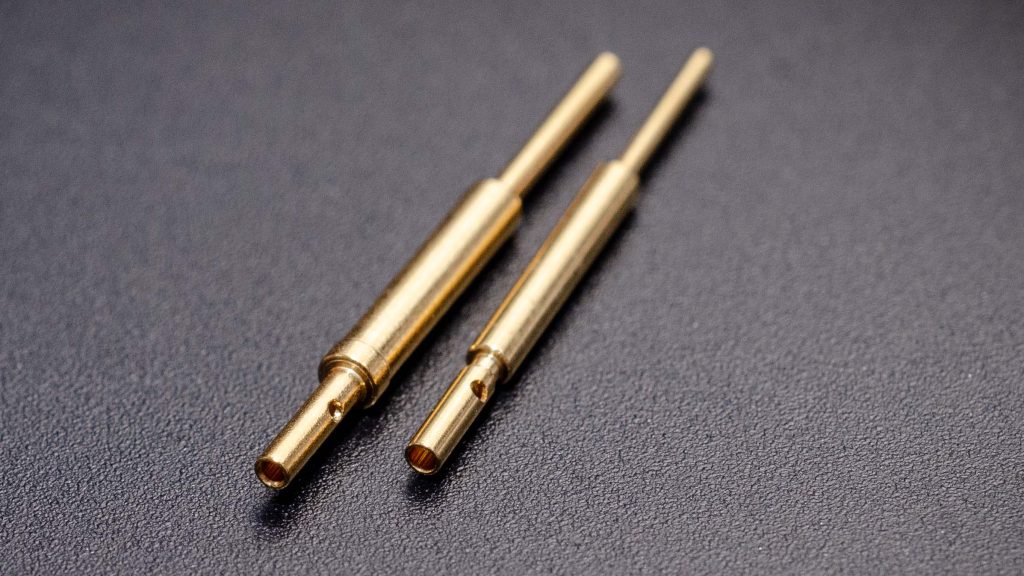 RF male pin contact with machined solid pin
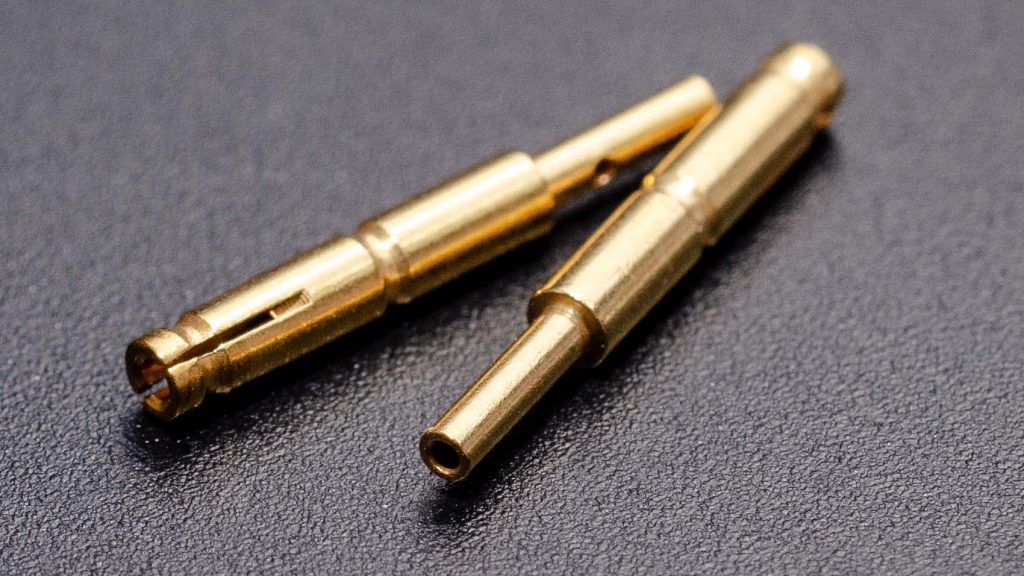 female socket contact for MRI DC applications
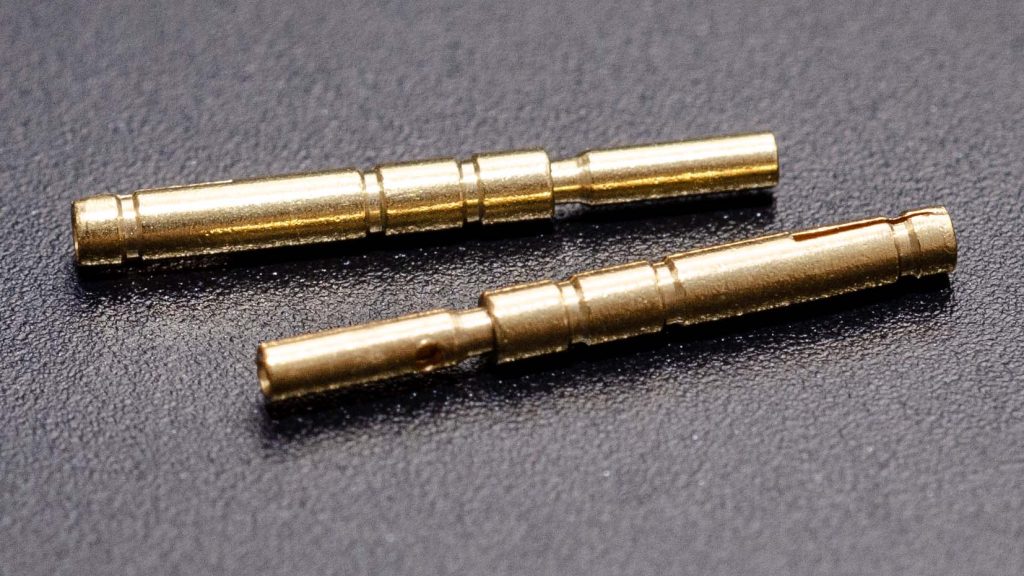 MRI DC female socket contact, stamped & formed slotted contact
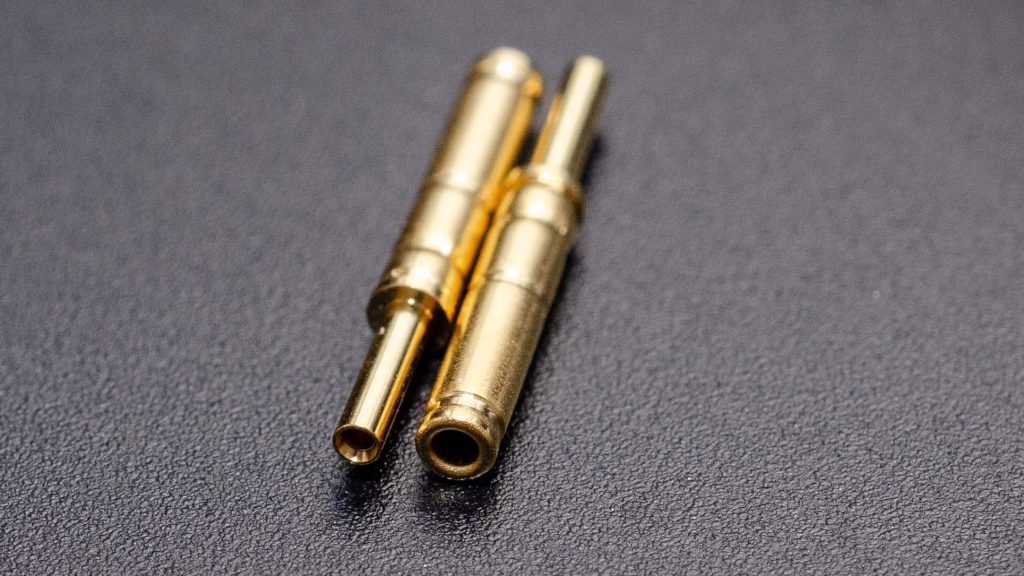 Female socket contact with machined one-piece closed socket
Comparison between machined closed socket and stamped slotted contacts
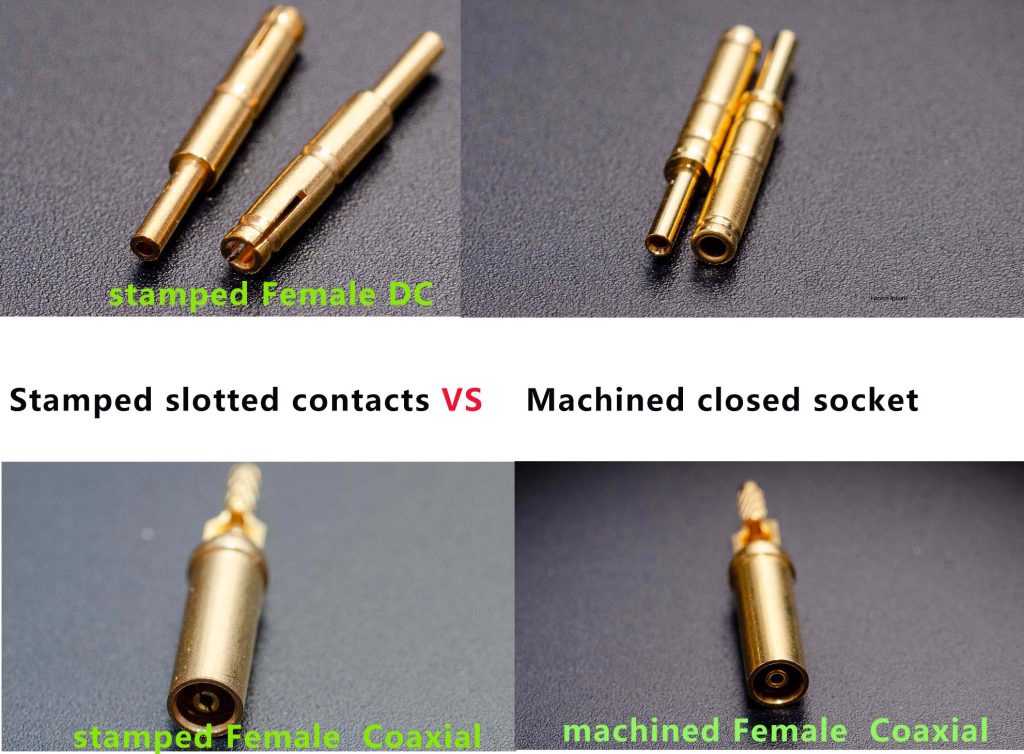
| Machined Contacts (Closed Socket / Solid Pin) | Stamped & Formed Contacts (Slotted / Crimp-Style) |
| Feature: One-piece precision structure Higher durability and consistency Better performance for repeated mating | Feature: Multi-beam or slotted design More flexible and cost-effective Widely used in cable assemblies |
Common Contact Failures in MRI Connectors
From field experience, the most frequent issues include:
- Loss of contact force in slotted sockets
- Surface wear in high mating cycles
- Oxidation due to environmental exposure
- Overheating in power contacts
Understanding these failure modes helps identify which contacts need replacement.
How to Identify the Right Replacement Contact
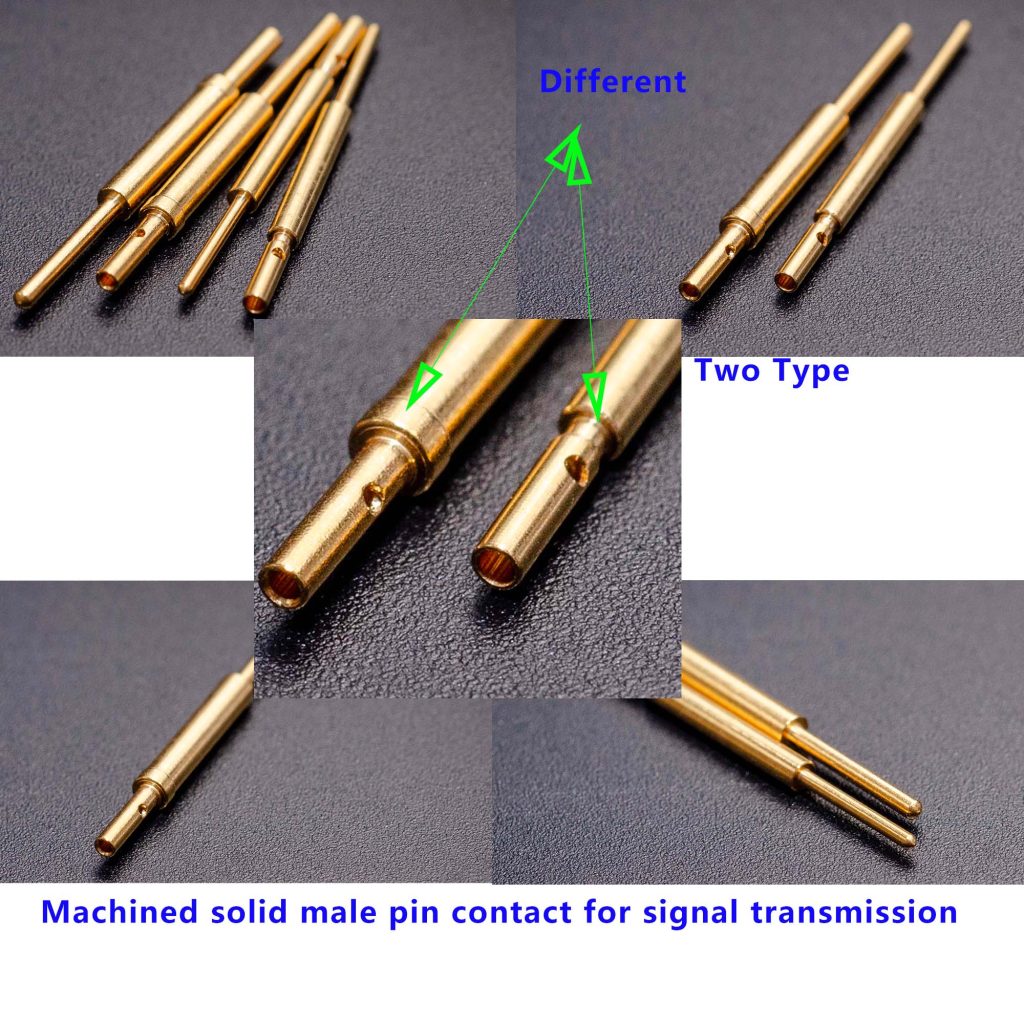
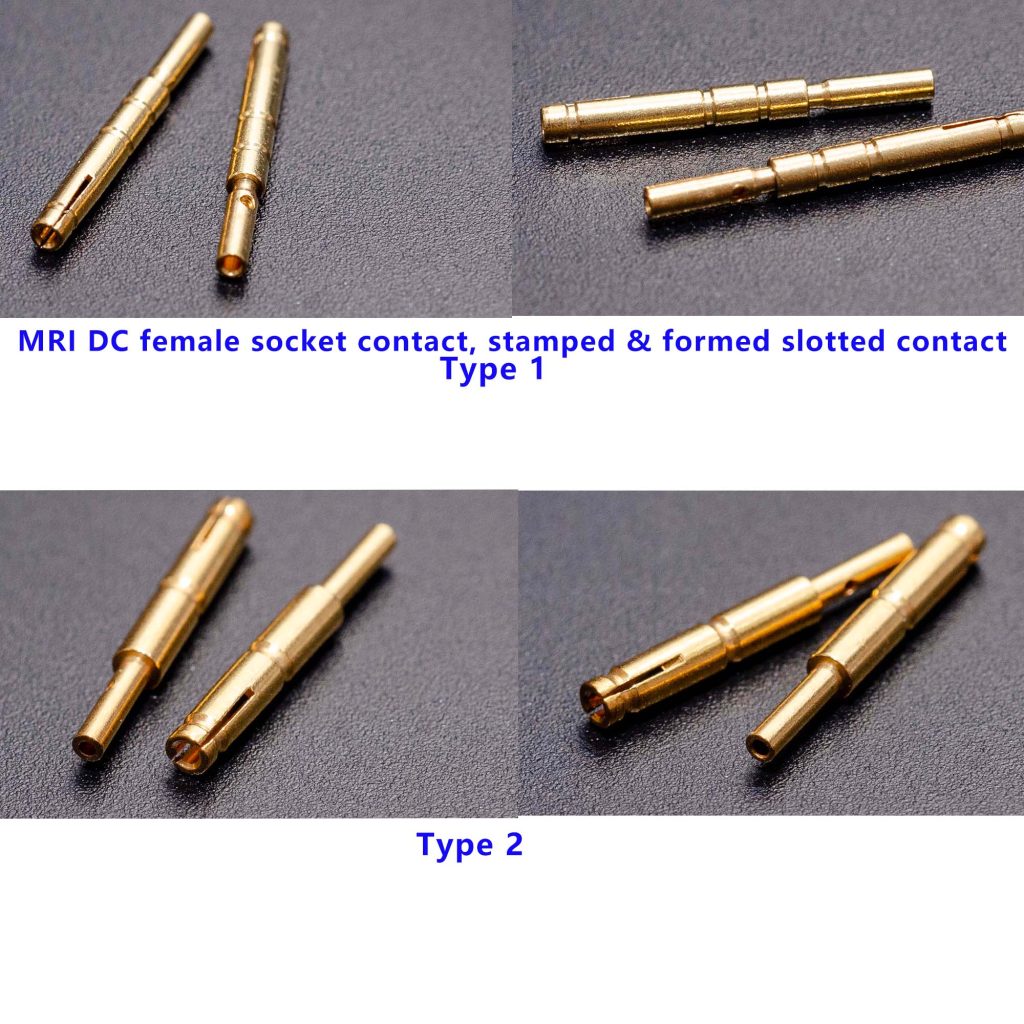
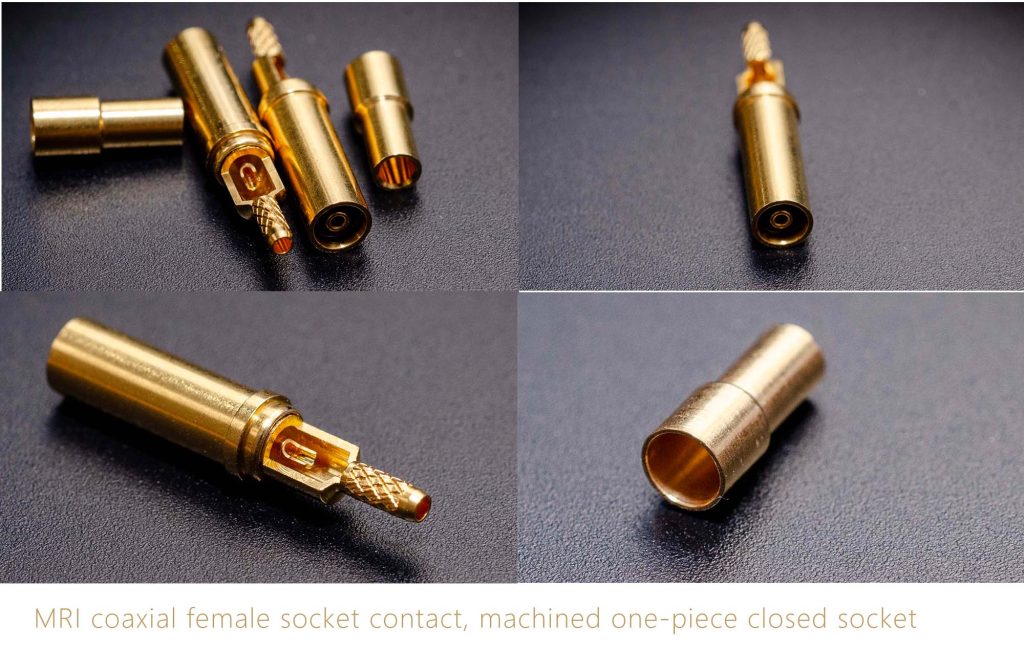
If the original part number is not available, contacts can often be identified by:
- Socket structure (closed vs slotted)
- Pin type (solid vs split)
- Coaxial vs non-coaxial design
- Overall dimensions and mating interface
If needed, samples or photos can be used for evaluation and matching.
:
Designed for MRI Repair Applications
Our contact solutions are widely used in:
- MRI coil repair
- MRI cable assembly refurbishment
- Connector maintenance and replacement
- Medical device servicing
- MRI coil cable Protection solution
Contact Us
If you are working on MRI connector repair or cable refurbishment and need help identifying or replacing contacts:
👉 Feel free to contact us with photos, drawings, or samples.
We’ll help you find a suitable solution.