Coaxial Contacts for MRI Connector Repair
RF Coaxial Contacts for MRI Signal Restoration
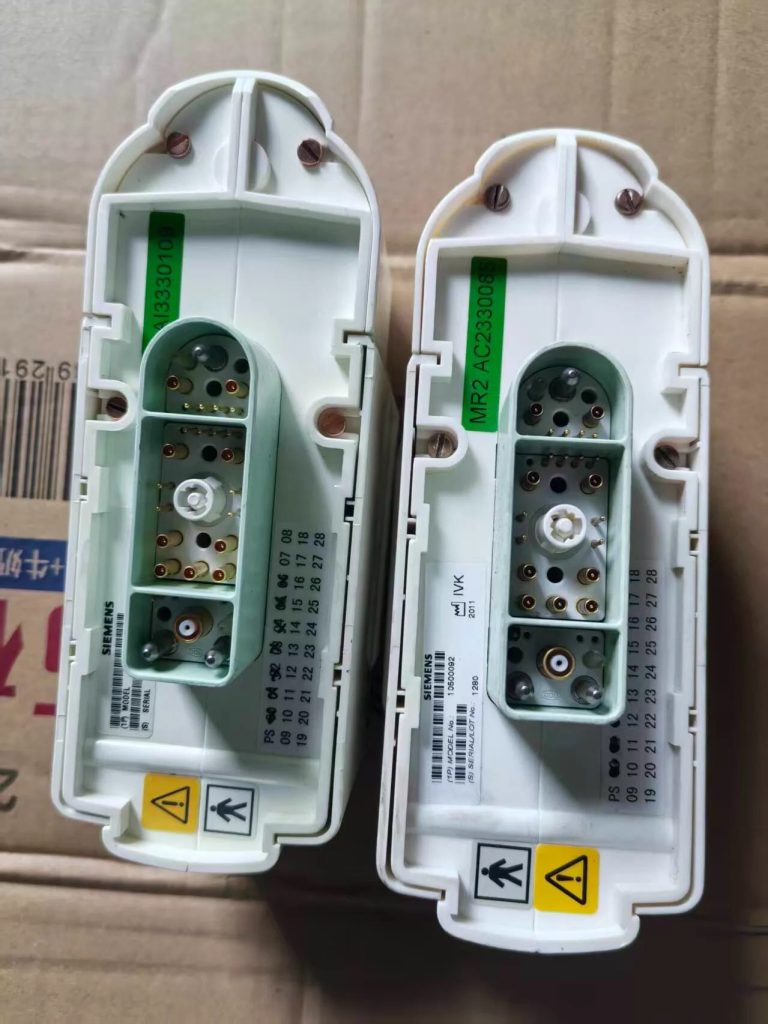
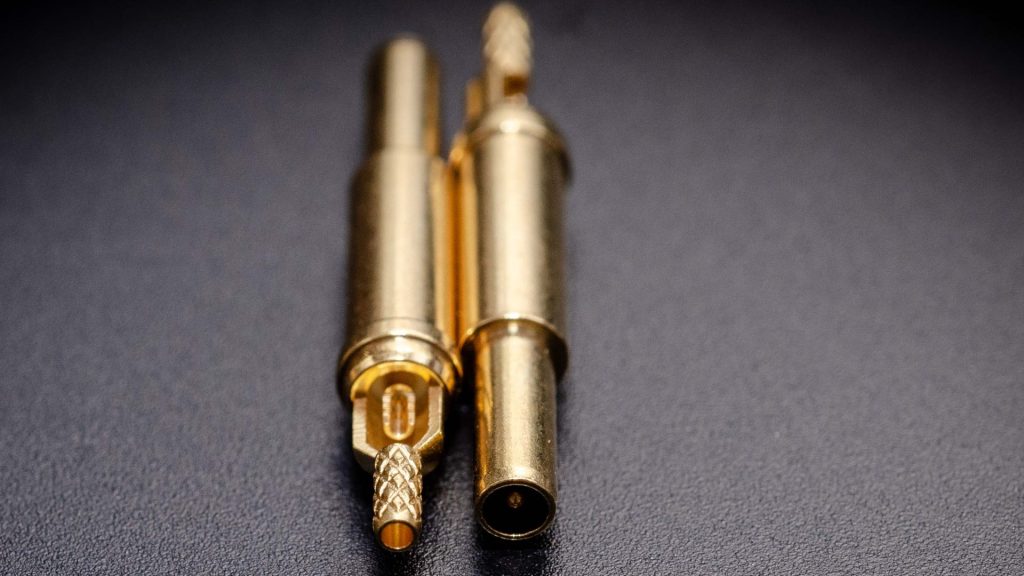
These coaxial contacts (RF contacts) are specifically designed for MRI connector repair involving signal transmission.
Unlike standard electrical contacts, coaxial contacts must maintain controlled impedance and shielding integrity.
Even minor wear or deformation can lead to signal instability, noise, or performance degradation in MRI systems.
In many repair scenarios, only the coaxial contact is damaged — replacing it is the most efficient way to restore system performance.
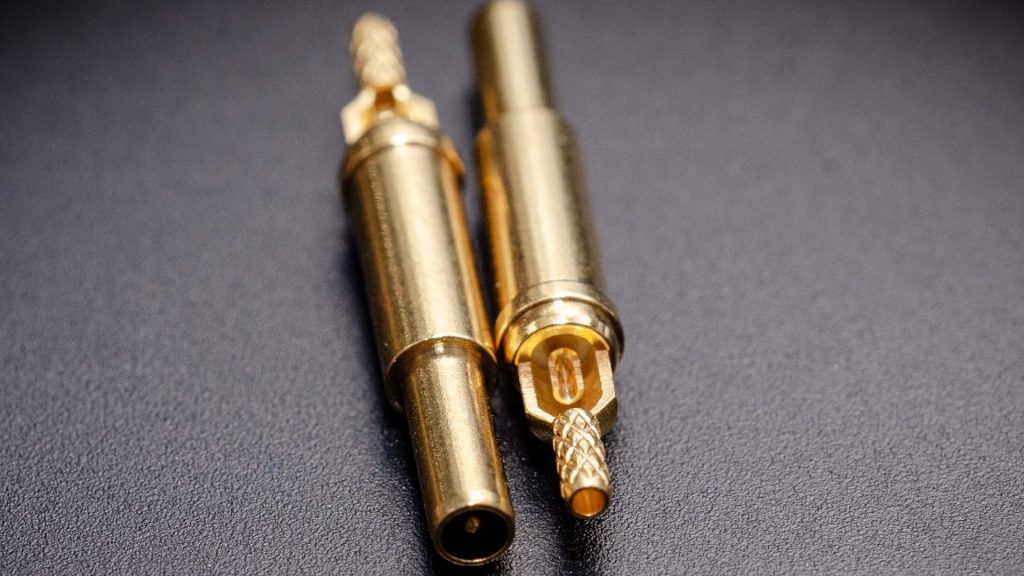
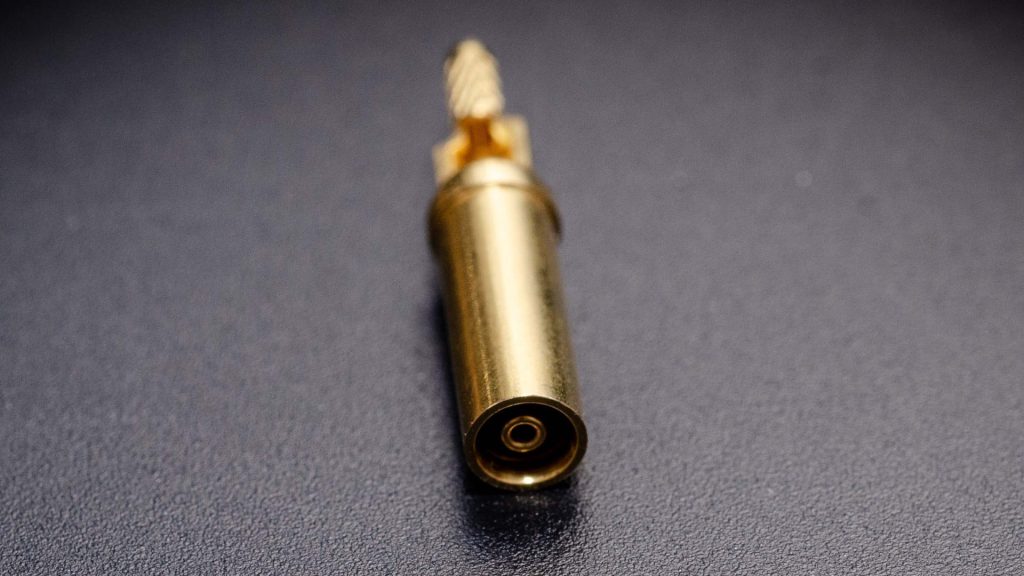
Designed for MRI RF Applications
These contacts are widely used in:
- MRI coil signal transmission systems
- RF cable assemblies
- Connector refurbishment and maintenance
- Medical imaging equipment
They are designed to ensure:
- Stable RF signal transmission
- Consistent impedance performance
- Reliable shielding effectiveness
Types of Coaxial Contacts
We offer multiple coaxial contact types to support different MRI repair needs:
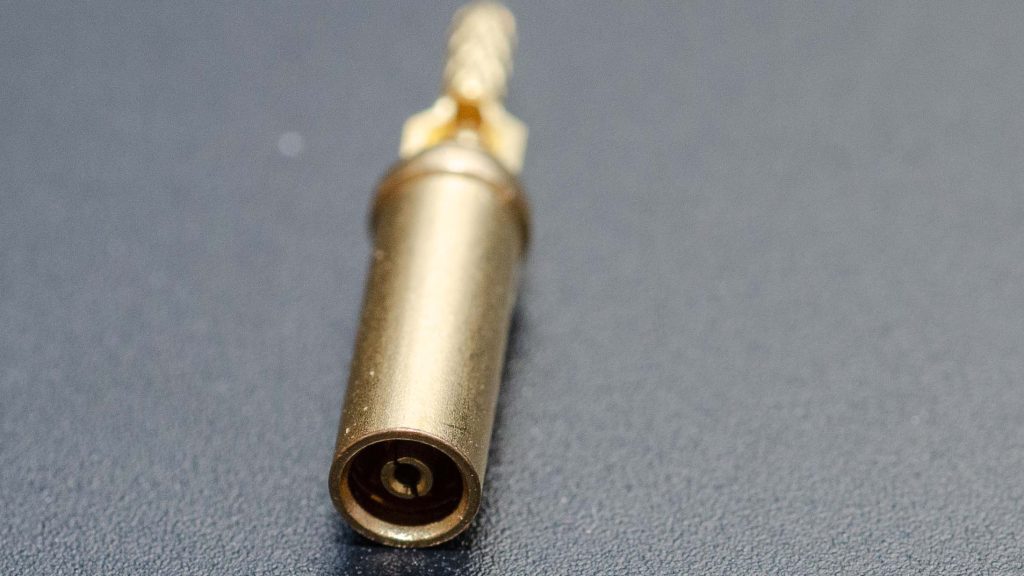
1. Coaxial Female Socket Contact (Machined Closed Socket)
- One-piece precision machined structure
- Closed (round) socket interface
- High consistency and durability
👉 Best for high-reliability MRI RF applications
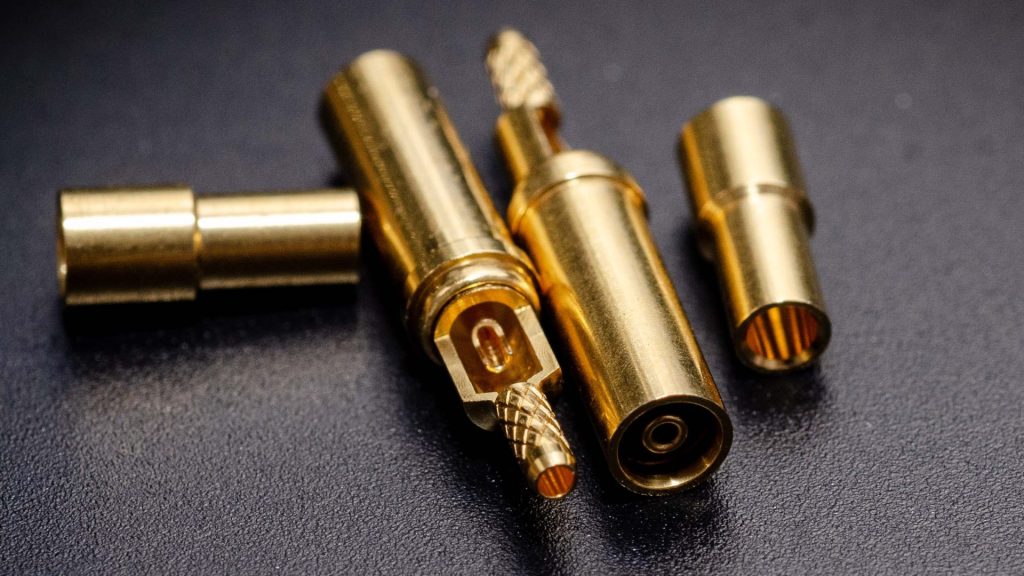
2. Coaxial Female Socket Contact (Stamped / Slotted)
- Stamped & formed structure
- Slotted (open) socket design
- Flexible and cost-effective
👉 Suitable for general repair and cable-side applications
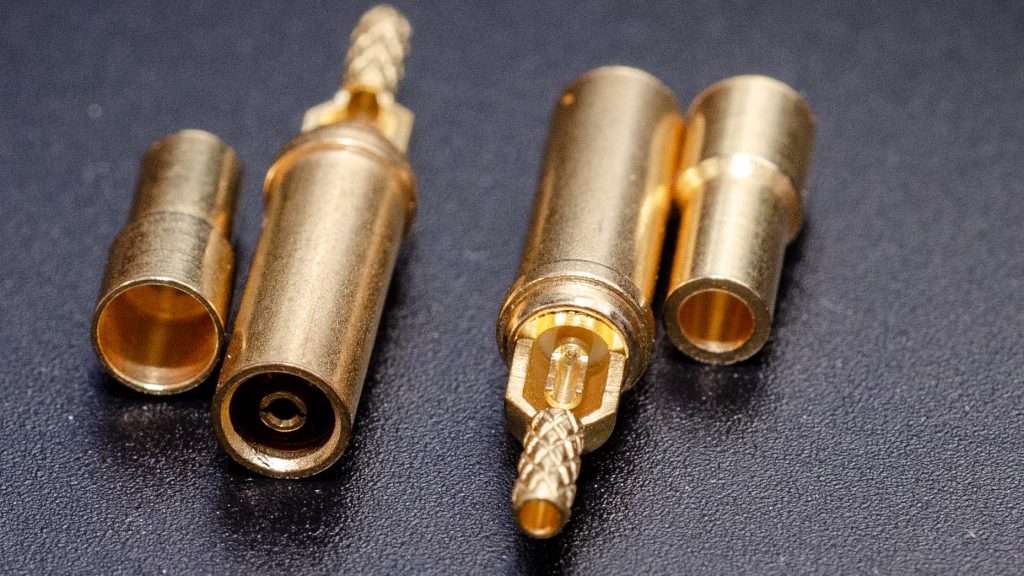
3. Coaxial Male Pin Contact
- Solid precision-machined pin
- Mates with corresponding socket contacts
- Ensures stable RF connection
👉 Essential in all coaxial connector systems
RF Performance Considerations in MRI Repair
Coaxial contacts are critical because they directly affect signal quality.
Key factors include:
- Impedance consistency
- Shielding continuity
- Alignment of inner and outer conductors
- Contact stability under repeated mating
Improper or worn contacts can result in:
- Signal loss
- Increased noise
- Unstable imaging performance
Machined vs Stamped Coaxial Contacts
| Feature | Machined Socket | Stamped Socket |
|---|---|---|
| Structure | One-piece | Slotted |
| RF Stability | High | Moderate |
| Durability | High | Medium |
| Cost | Higher | Lower |
| Application | Critical MRI systems | General repair |
Suitable Replacement Scenarios
These coaxial contacts are commonly used for:
- Replacing worn RF contacts in MRI connectors
- Restoring signal transmission performance
- Upgrading slotted contacts to machined versions
- Repairing high-value MRI cable assemblies
How to Identify the Right Coaxial Contact
To select the correct contact:
- Confirm male or female type
- Check closed vs slotted socket structure
- Identify coaxial design (inner conductor + insulation)
- Verify dimensions and mating interface
👉 See: How to Identify Connector Contacts (Machined vs Stamped)
💡 Why Replace Coaxial Contacts Instead of Full Connectors
In many MRI repair cases:
- Connector housings are still functional
- Only RF contacts are damaged
Replacing contacts can:
- Reduce repair cost
- Maintain RF performance
- Extend connector lifespan
- Minimize system downtime
Related Contact Types
For non-RF applications, standard electrical contacts may be used:
- Machined closed socket contacts
- Crimp-style socket contacts
👉 Explore related solutions
📩 Request MRI RF Contact Support
Working on MRI connector or RF cable repair?
If you need help identifying or matching coaxial contacts:
- Send photos or drawings
- Provide dimensions or samples
- Describe your application
👉 We can help recommend the correct RF contact solution.
✅ Summary
These coaxial contacts for MRI repair are designed for reliable RF signal transmission in connector systems.
Available in:
- Female socket (machined closed or stamped slotted)
- Male pin contacts
Replacing individual coaxial contacts is often the most efficient way to restore performance without replacing the entire connector.
You May Also in need of