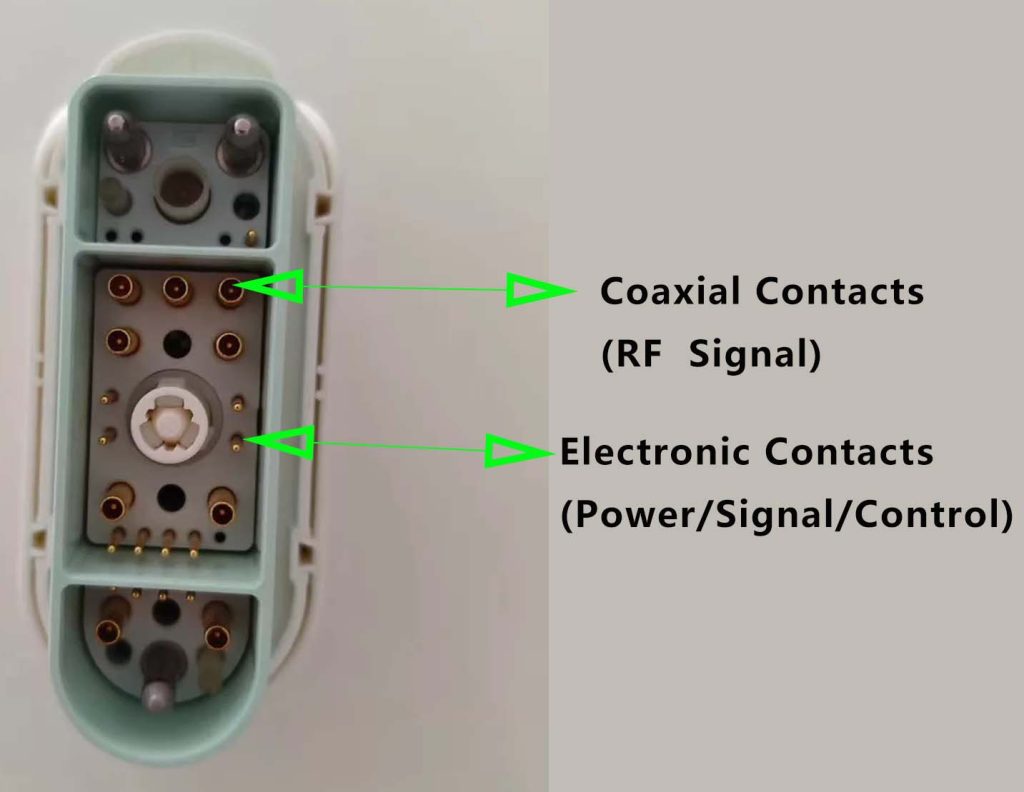
Crimp Contact vs Machined Contact: Which One to Choose?
Choosing between crimp (stamped & formed) contacts and machined contacts is a common question in cable assembly and connector repair.
Both types are widely used, but they differ significantly in structure, performance, durability, and cost.
Understanding these differences helps ensure reliable connections and avoid premature failures—especially in demanding applications such as MRI systems.
What Are Crimp Contacts and Machined Contacts?
Connector contacts are typically manufactured in two main ways:
Crimp Contacts (Stamped & Formed / Slotted Socket)
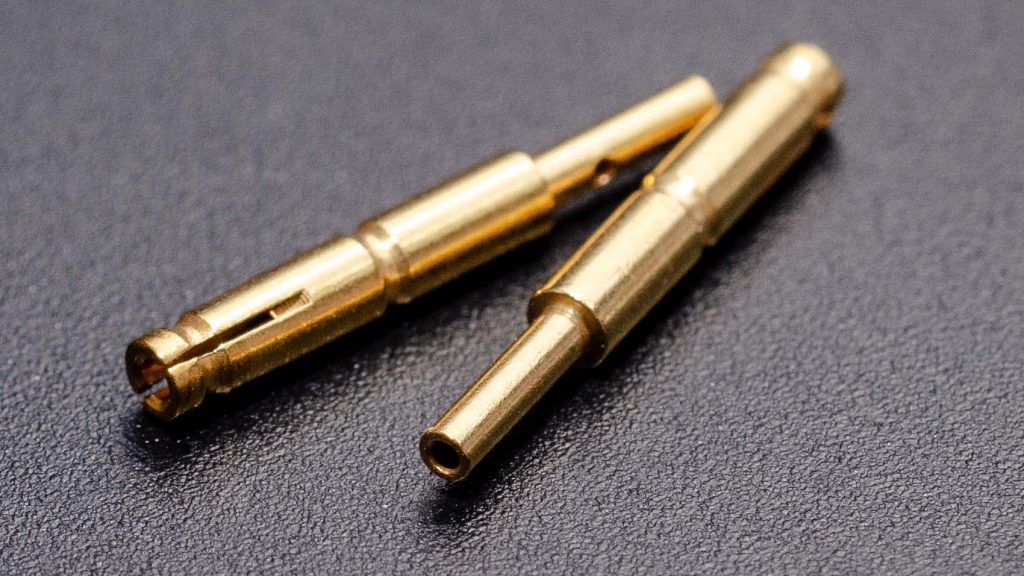
Crimp contacts are made by stamping metal sheets and forming them into spring structures.
Key features:
- Slotted or multi-beam socket design
- Elastic contact structure
- Typically used with crimping process
- Cost-effective for large volumes
Machined Contacts (Closed Socket / Solid Pin)
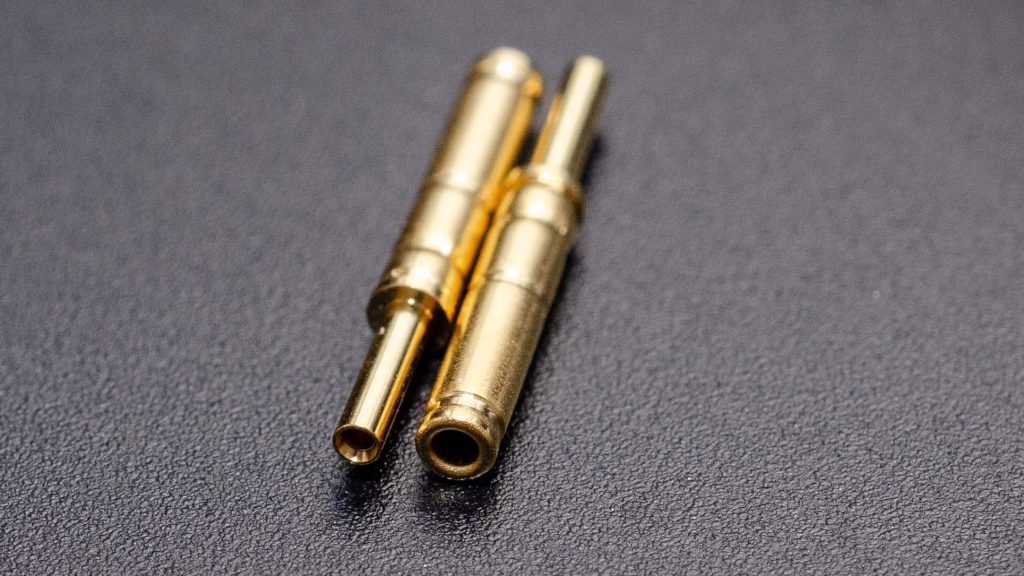
Machined contacts are produced from solid metal using precision machining.
Key features:
- One-piece structure
- Closed socket or solid pin
- High dimensional accuracy
- Smooth surface finish
Visual Comparison
Structural difference between crimp-style stamped contacts and machined closed socket contacts
Key Differences Between Crimp and Machined Contacts
| Feature | Crimp Contacts (Stamped) | Machined Contacts |
|---|---|---|
| Structure | Slotted / multi-beam | One-piece solid |
| Contact Force | Elastic (can degrade) | Stable |
| Durability | Moderate | High |
| Consistency | Medium | High |
| Cost | Lower | Higher |
| Typical Use | Cable assemblies | High-reliability systems |
Performance Differences in Real Applications
1. Contact Force Stability
- Crimp contacts rely on elastic beams
- Over time, repeated mating may reduce contact force
👉 Result: increased resistance or intermittent connection
- Machined contacts maintain more stable contact pressure
2. Wear and Surface Performance
- Slotted contacts concentrate wear on contact beams
- Machined contacts distribute contact more evenly
👉 Result: longer service life for machined contacts
3. Reliability Under Repeated Mating
- Crimp contacts: suitable for moderate cycles
- Machined contacts: better for frequent mating
4. Electrical Performance
In power or critical signal applications:
- Stable contact reduces heat and resistance
- Machined contacts generally perform better
When to Choose Crimp Contacts
Crimp contacts are suitable when:
- Cost is a key consideration
- Application is not highly demanding
- Replacement or maintenance is frequent
- Flexibility in cable assembly is needed
When to Choose Machined Contacts
Machined contacts are preferred when:
- High reliability is required
- Frequent mating cycles are expected
- Stable contact performance is critical
- Long service life is important
Considerations in Repair and Replacement
In many repair scenarios (including MRI systems):
- The connector housing is still usable
- Only a few contacts are damaged
👉 Instead of replacing the entire connector:
Replacing individual contacts is often more efficient and cost-effective
Related Resources
If you are working on connector repair or replacement:
➡️ MRI Connector Contact Repair Solutions
➡️ How to Identify Connector Contacts (Machined vs Stamped)
Need Help Choosing the Right Contact?
If you’re unsure which type is suitable:
- Share your application details
- Provide photos or samples
- Specify electrical or mechanical requirements
We can help recommend the most appropriate solution.
Summary
- Crimp contacts offer cost efficiency and flexibility
- Machined contacts provide higher reliability and durability
The right choice depends on your application requirements, performance expectations, and budget.
In critical systems or high-cycle applications, machined contacts are often the preferred option.
For general-purpose or cost-sensitive applications, crimp contacts remain a practical solution.