
USB4 & Thunderbolt High-Speed Bulk Cable Solutions
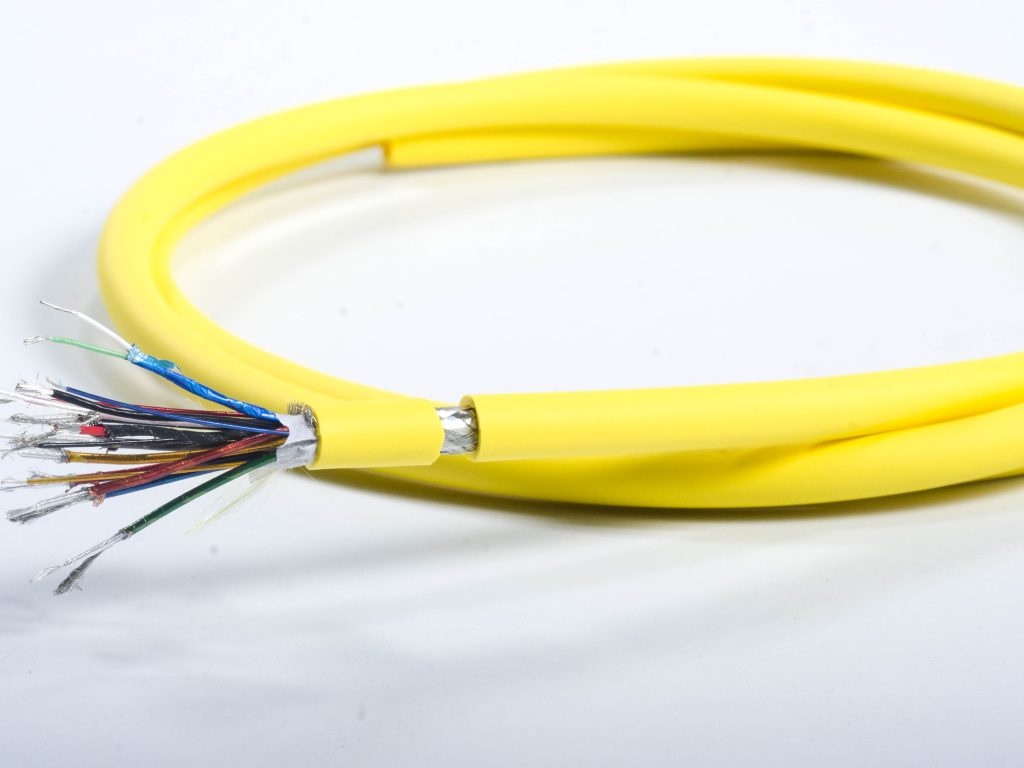
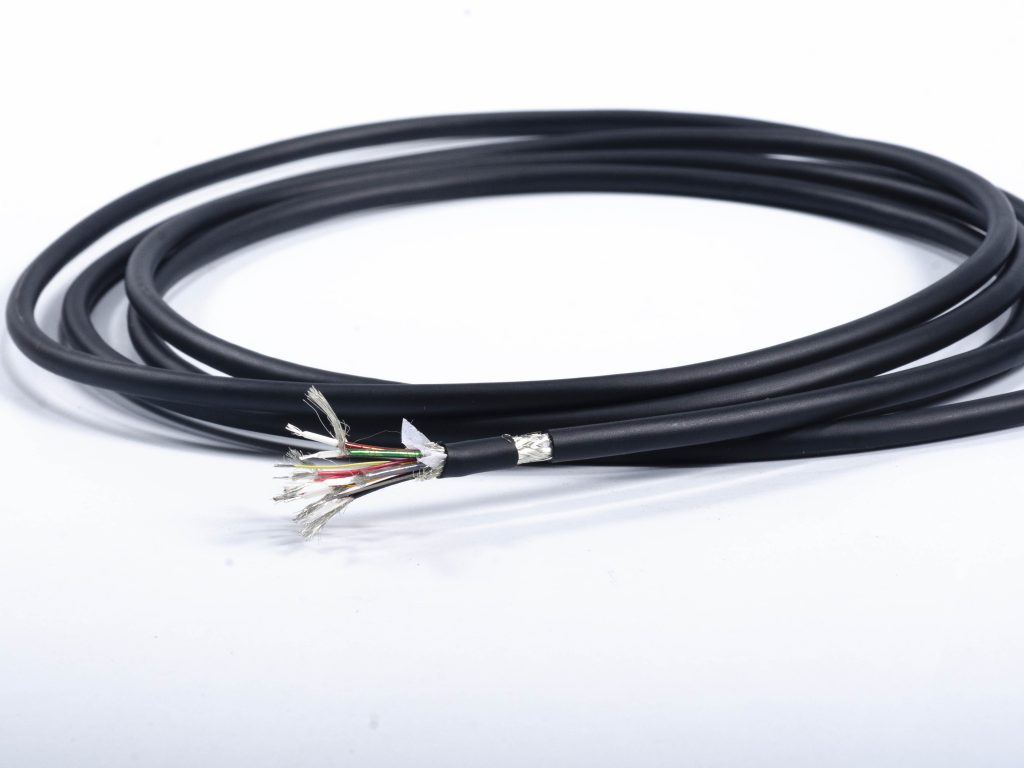
RF-Coaxial specializes in high-speed bulk cable manufacturing for medical, industrial and compact electronic systems requiring flexible routing, stable signal transmission and optimized cable structures.
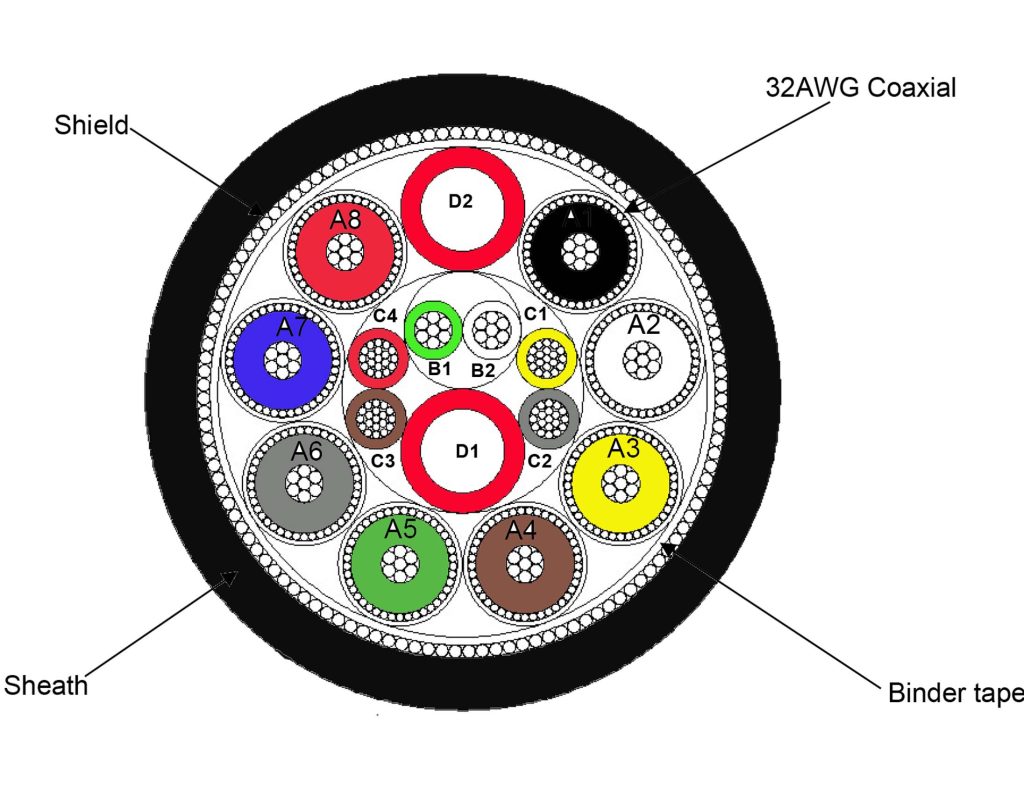
Our engineering capabilities support customized cable materials for:
- USB 3.2
- USB4
- Thunderbolt 4
- Thunderbolt 5
- High-speed differential transmission systems
Unlike standard consumer USB cables, our focus is on bulk cable structures optimized for signal integrity, flexibility, compact routing and long-term mechanical reliability.
High-Speed Standards Supported
Modern high-speed transmission systems increasingly share similar physical cable architectures. USB4 and Thunderbolt technologies both rely on controlled impedance transmission structures and advanced shielding designs to maintain stable high-frequency performance.
| Standard | Typical Speed | Common Cable Structure | Typical Applications |
|---|---|---|---|
| USB 3.2 Gen2 | 10Gbps | Twinax / Micro Coax | Medical systems, imaging devices |
| USB4 | 20-40Gbps | Micro Coax | Compact electronics, industrial systems |
| Thunderbolt 4 | 40Gbps | Low Loss Micro Coax | High-speed data systems |
| Thunderbolt 5 | 80Gbps+ | Advanced SI Structure | Next-generation transmission platforms |
Our bulk cable solutions are customized based on transmission distance, flexibility requirements, routing constraints and target signal integrity performance.
Why High-Speed Systems Use Micro Coax Structures
As transmission frequencies increase, traditional twisted pair structures face growing challenges related to signal loss, EMI and impedance stability.
Micro coax structures provide major advantages for high-speed cable systems:
- Better impedance consistency
- Lower insertion loss
- Reduced EMI radiation
- Improved shielding effectiveness
- Better skew control
- Smaller cable outer diameter
- Improved flexibility
- Enhanced routing capability
These advantages make micro coax increasingly common in USB4, Thunderbolt and other high-speed transmission platforms.
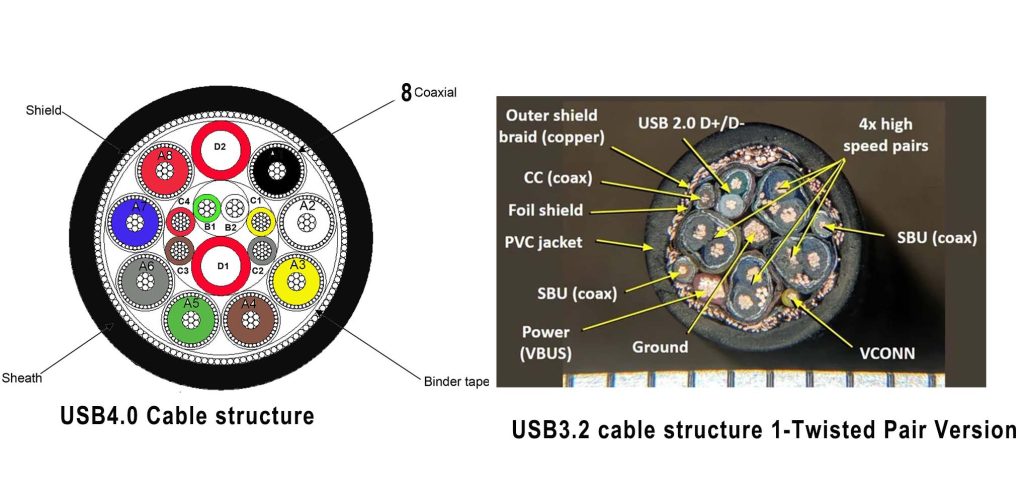
Signal Integrity Optimization for USB4 and Thunderbolt Bulk Cables
High-speed cable performance depends heavily on the internal transmission structure of the cable material itself.
Key signal integrity factors include:
- Insertion loss
- Return loss
- Differential impedance stability
- Crosstalk control
- Shielding effectiveness
- Pair skew
- Attenuation performance
Our engineering team develops customized bulk cable structures balancing electrical performance, flexibility and mechanical reliability for different application environments.
For many medical and industrial systems, flexibility and compact routing are equally important as transmission speed.
Flexible USB3.2 and USB4 Cable Structures
Not all applications require maximum USB4 or Thunderbolt transmission performance.
Many medical, imaging and compact electronic systems require:
- Smaller cable OD
- Improved flexibility
- Better routing performance
- Reduced cable stiffness
- Lightweight cable structures
To support these applications, RF-Coaxial also develops optimized micro coax structures using finer conductors and reduced-size coax constructions.
This approach allows customers to benefit from USB4-style micro coax architecture while optimizing flexibility and mechanical performance for specialized applications.
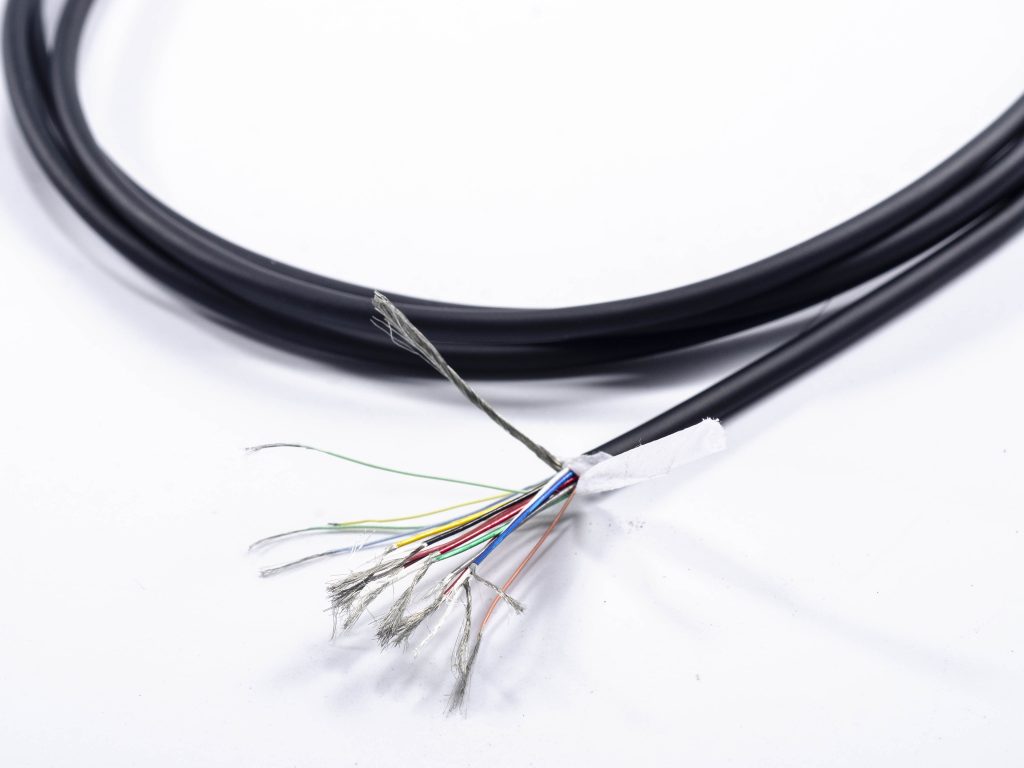
Custom High-Speed Bulk Cable Capabilities
RF-Coaxial provides customized high-speed bulk cable materials for OEM manufacturers and cable assembly companies.
Available Customization Options
Conductor Options
- Silver plated copper
- Ultra-fine conductors
- Custom AWG structures
Insulation Materials
- FEP
- Foamed PE
- Low dielectric materials
Cable Structures
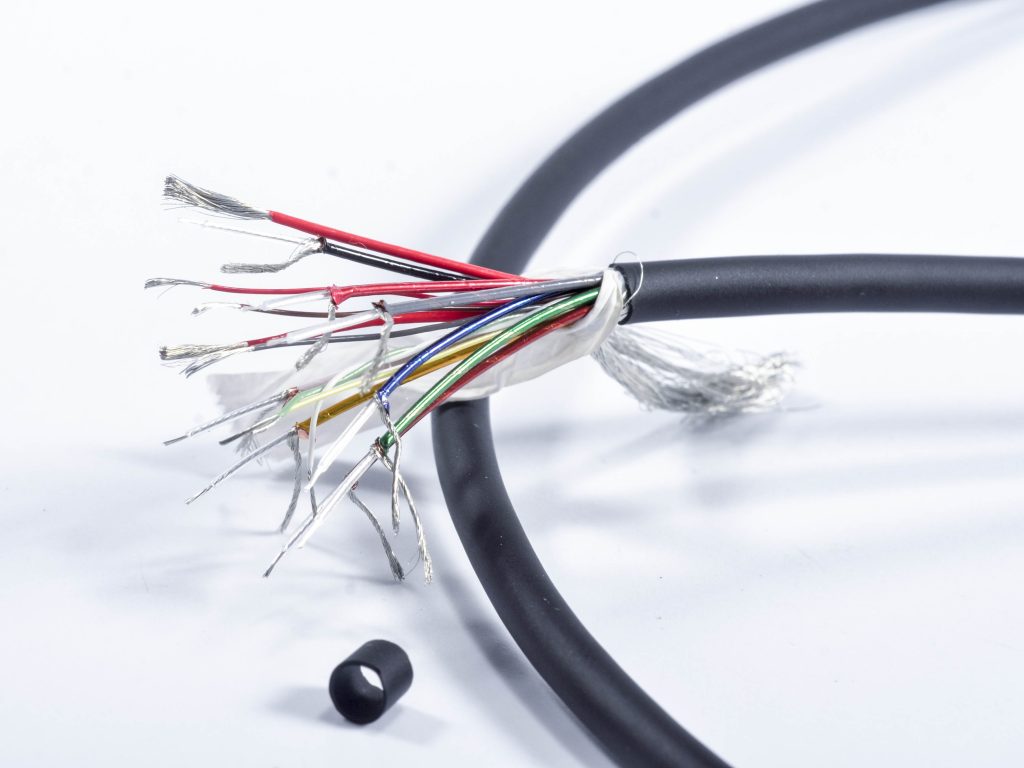
- Micro coax
- Twinax
- Hybrid structures
- Flexible high-speed constructions
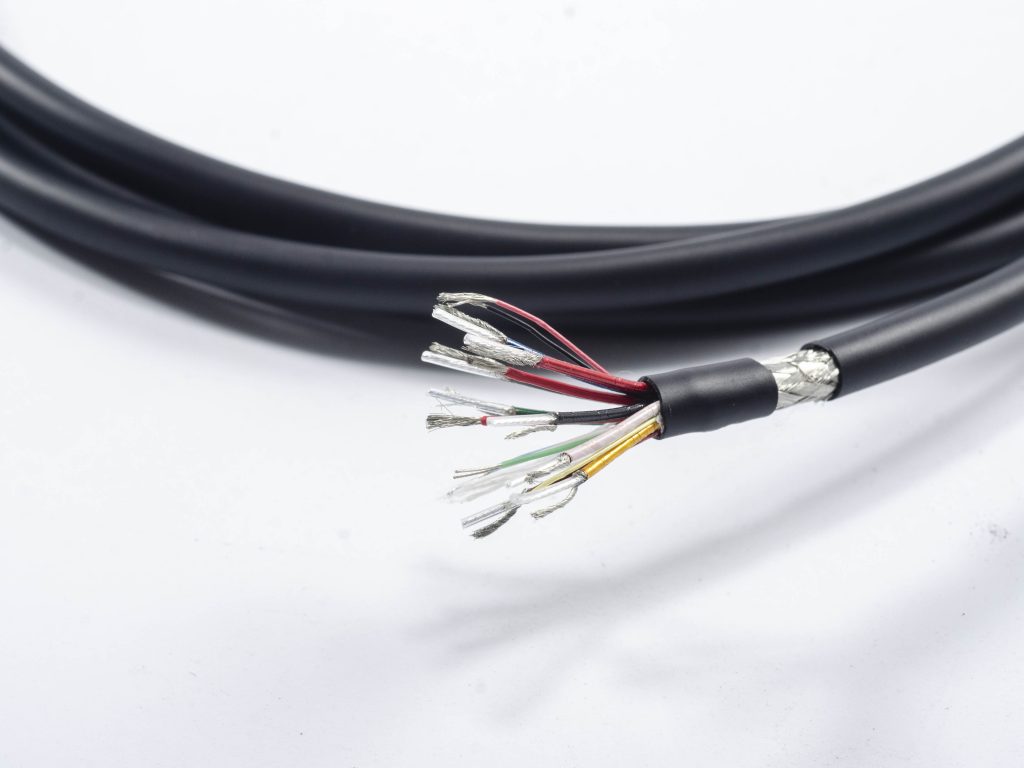
Shielding Structures
- Aluminum foil shielding
- Braided shielding
- Multi-layer shielding
- Drain wire structures
Mechanical Optimization
- Small OD designs
- High-flex structures
- Compact routing optimization
- Repeated bending applications
Applications for High-Speed Bulk Cable Systems
Our high-speed bulk cable materials are widely used in systems requiring stable transmission together with compact mechanical integration.
Typical Applications
- Medical imaging systems
- Endoscope systems
- Portable medical devices
- Industrial cameras
- Machine vision systems
- Robotics
- Embedded systems
- Compact industrial electronics
- High-speed data transmission platforms
- AR/VR systems

Difference Between Standard USB Cable and High-Speed Micro Coax Bulk Cable
| Feature | Standard USB Cable | High-Speed Micro Coax Bulk Cable |
|---|---|---|
| Flexibility | Standard | High |
| EMI Performance | Moderate | Advanced |
| Small OD Capability | Limited | Excellent |
| Signal Stability | Moderate | Excellent |
| High-Frequency Optimization | Limited | Advanced |
| Compact Routing | Moderate | Excellent |
| Mechanical Reliability | Standard | Enhanced |
Engineering Challenges in USB4 and Thunderbolt Cable Materials
Designing stable high-speed bulk cable structures requires balancing multiple electrical and mechanical factors simultaneously.
Key engineering considerations include:
- Maintaining stable impedance
- Reducing insertion loss
- Improving shielding performance
- Minimizing pair skew
- Optimizing flexibility
- Supporting compact routing environments
- Balancing signal integrity and mechanical performance
For many medical and industrial platforms, cable structure optimization directly affects overall system reliability.
Related Technical Resources
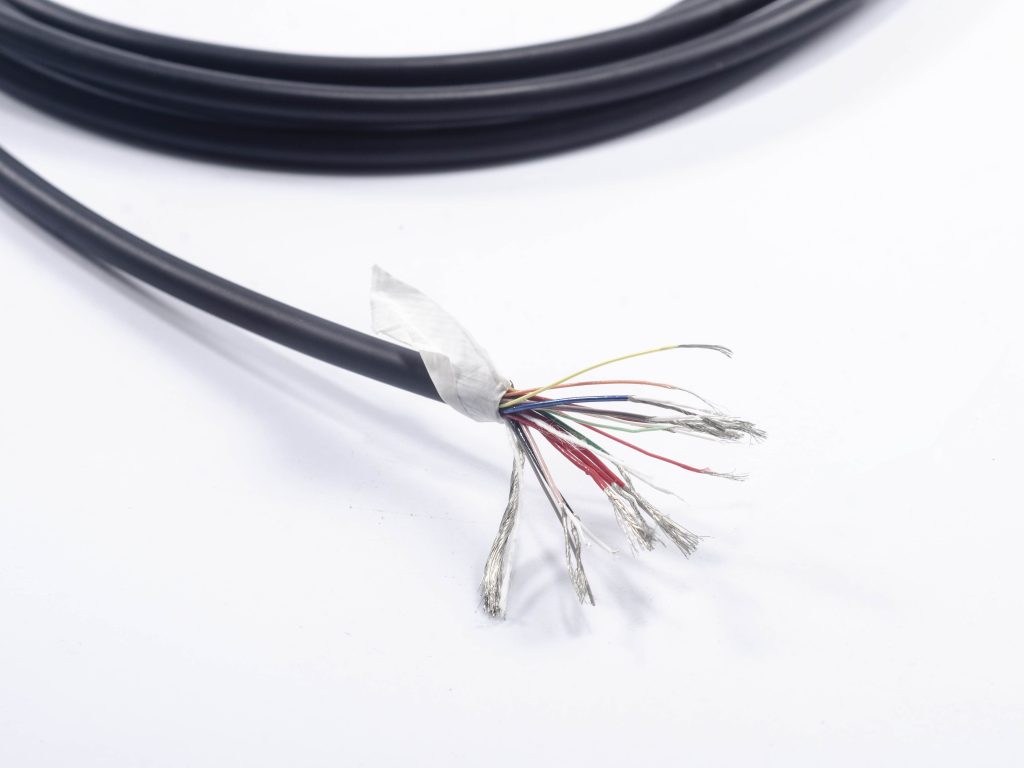
Frequently Asked Questions
What is the difference between USB4 bulk cable and standard USB cable?
USB4 bulk cable structures typically use advanced micro coax or low-loss transmission designs optimized for high-frequency signal integrity, shielding performance and impedance stability.
Why are micro coax structures used in high-speed USB cables?
Micro coax structures provide improved impedance control, lower EMI, better insertion loss performance and superior flexibility compared to traditional twisted pair structures.
Can USB3.2 applications also use micro coax cable structures?
Yes. Many medical and industrial systems use micro coax structures for USB3.2 applications to improve flexibility, routing capability and mechanical performance.
Do all applications require full Thunderbolt transmission performance?
No. Some applications use USB4-style cable structures mainly for flexibility, compact size or shielding advantages rather than maximum transmission speed.
Can cable structures be customized for flexibility and small OD?
Yes. We support customized high-speed bulk cable structures optimized for small outer diameter, repeated bending and compact routing applications
Custom High-Speed Bulk Cable Development
Our engineering focus includes:
RF-Coaxial works with OEM manufacturers, medical device developers and cable assembly companies to develop optimized high-speed bulk cable materials for specialized applications.
Our engineering focus includes:
Medical and industrial cable applications
High-speed transmission structures
Flexible cable optimization
Small OD cable development
Low-loss transmission design
EMI shielding optimization
Contact us for:
- USB4 bulk cable development
- Thunderbolt bulk cable structures
- Flexible high-speed cable materials
- Small OD micro coax cable
- OEM bulk cable manufacturing