
In endoscope camera systems, compatibility is not determined by the camera module model name alone.
Even when you are working with OCHTA10 / OV2740 / OV9734/OV6946, the required endoscope camera cable may differ due to wiring and integration requirements inside your design.
When the cable build doesn’t match your system, customers typically see:
- Physical fit issues / connector mismatch (the cable may not install properly)
- Image noise / unstable imaging
- Electrical signal problems (abnormal behavior or not working)
Compatible examples (OCHTA10 / OV2740 / OV9734/OV6946)
Below are common cable solution directions we support. Final selection still depends on your build requirements and pass-through constraints.
OCHTA10 compatible endoscope camera cables
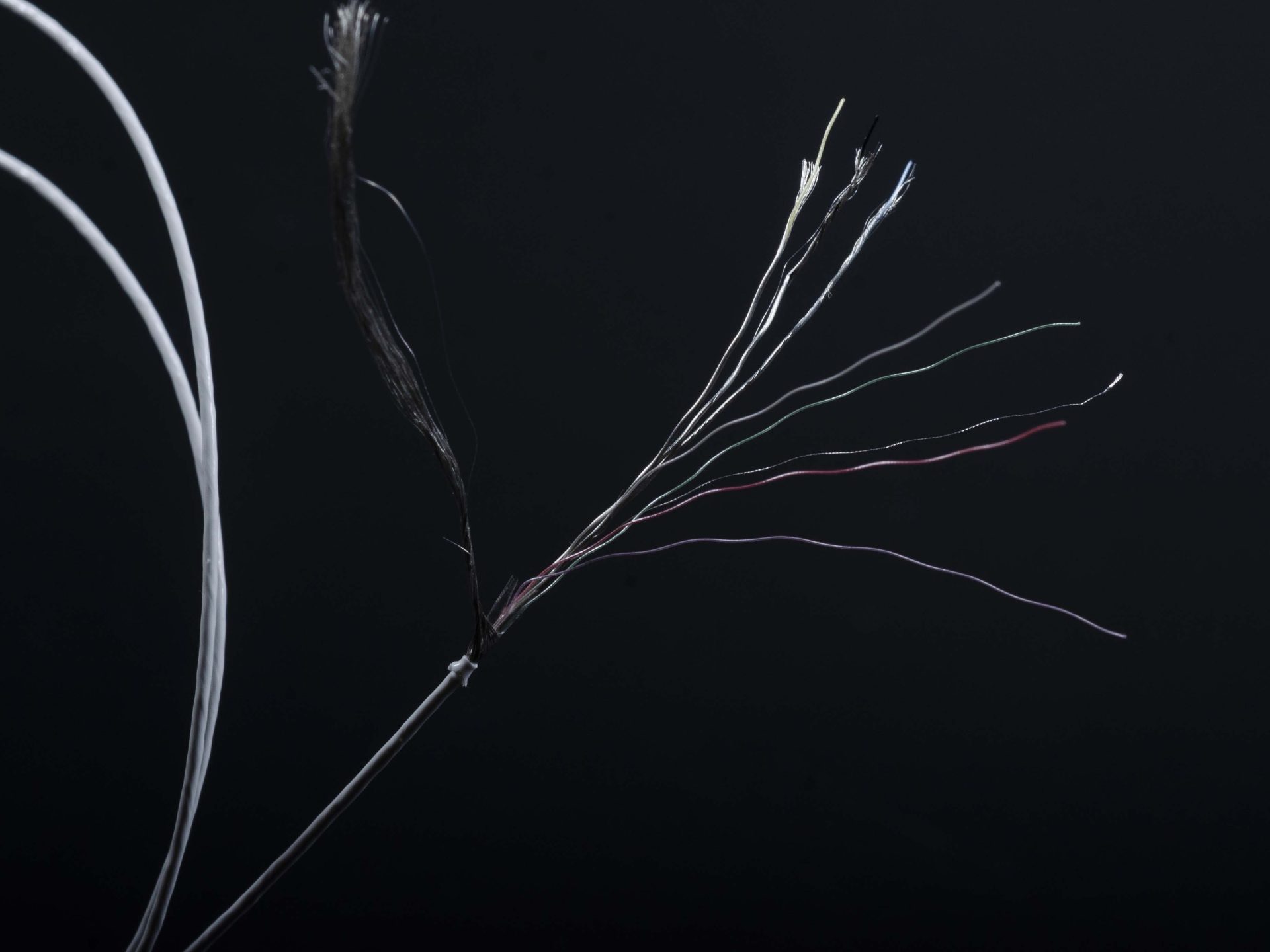
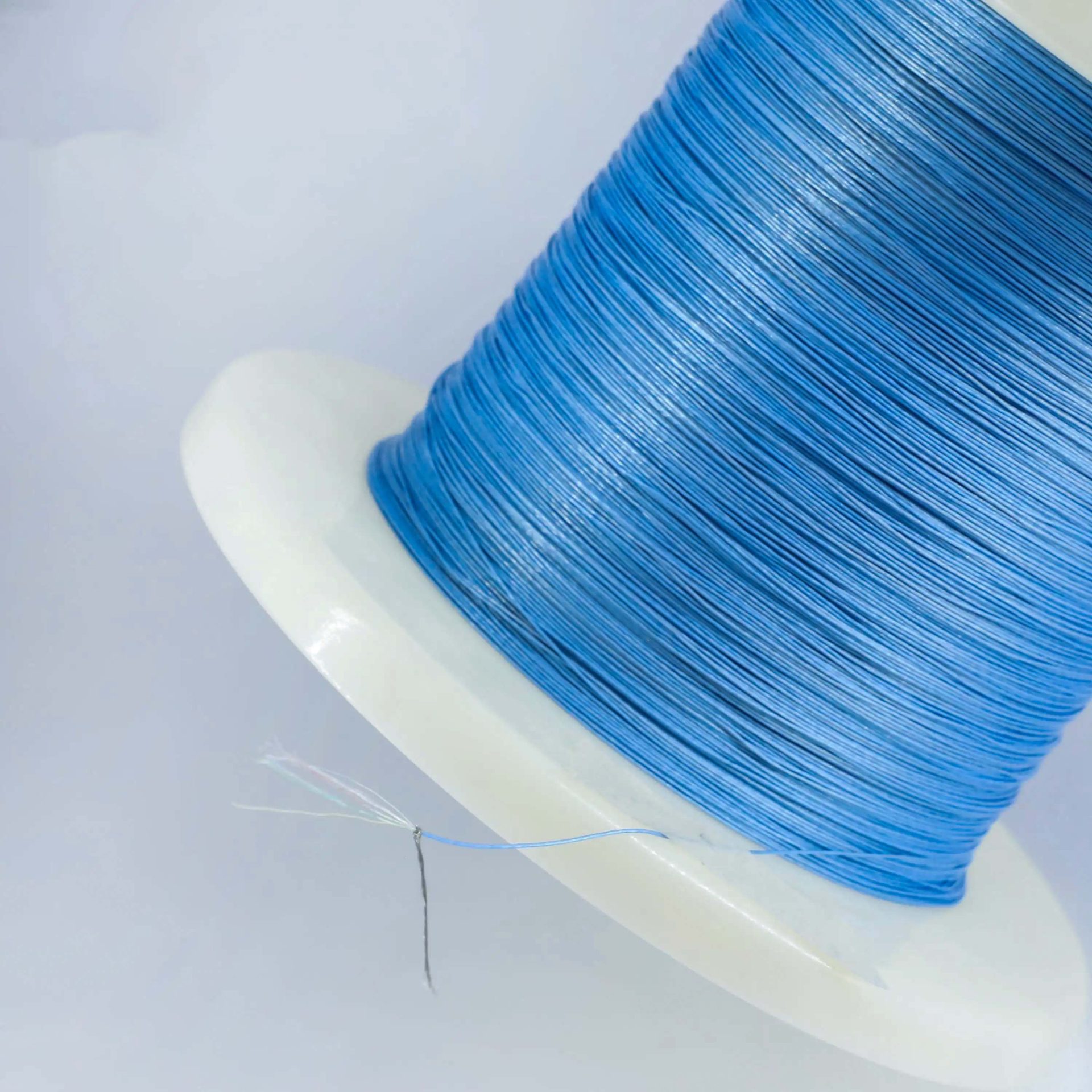
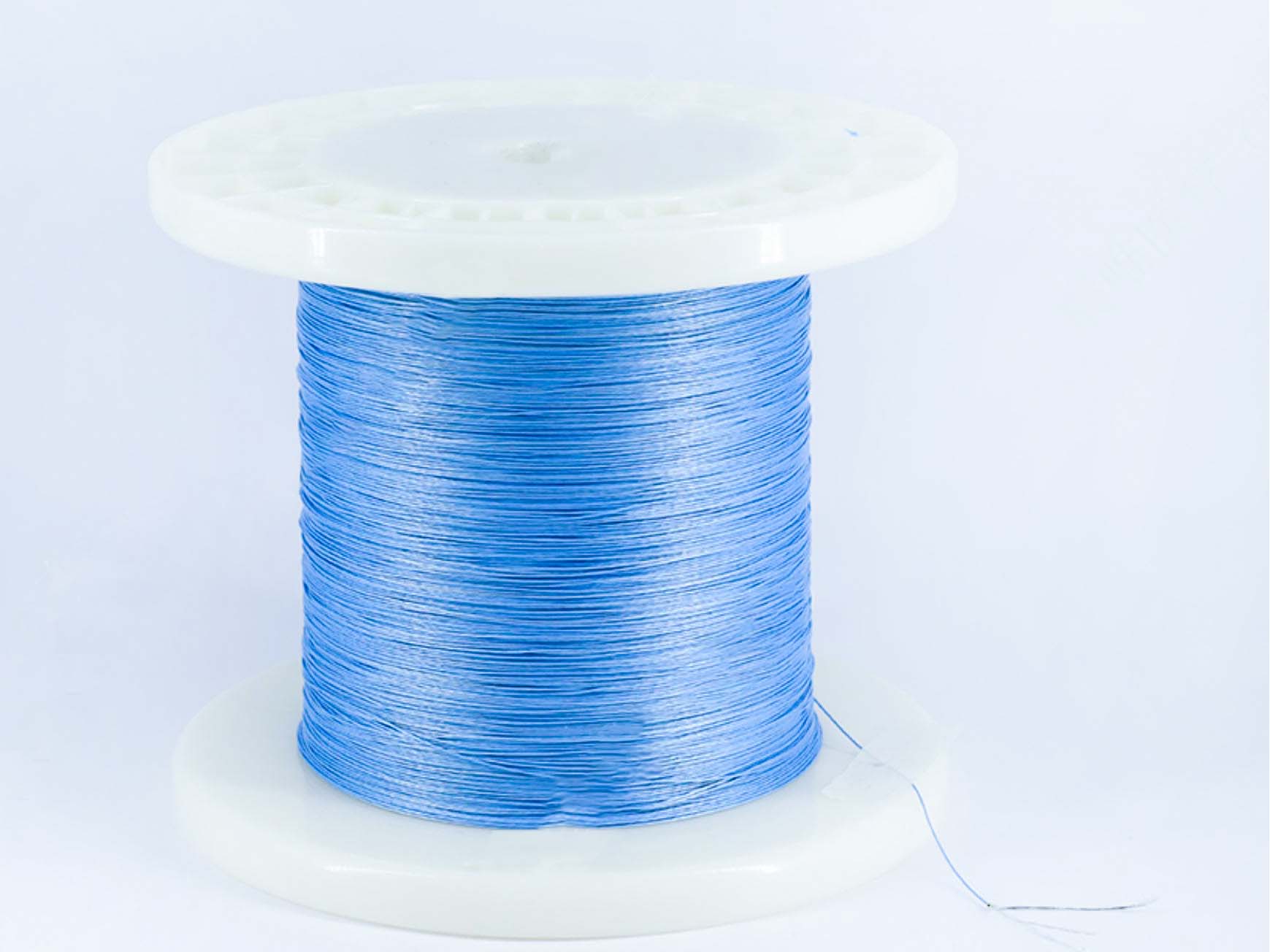
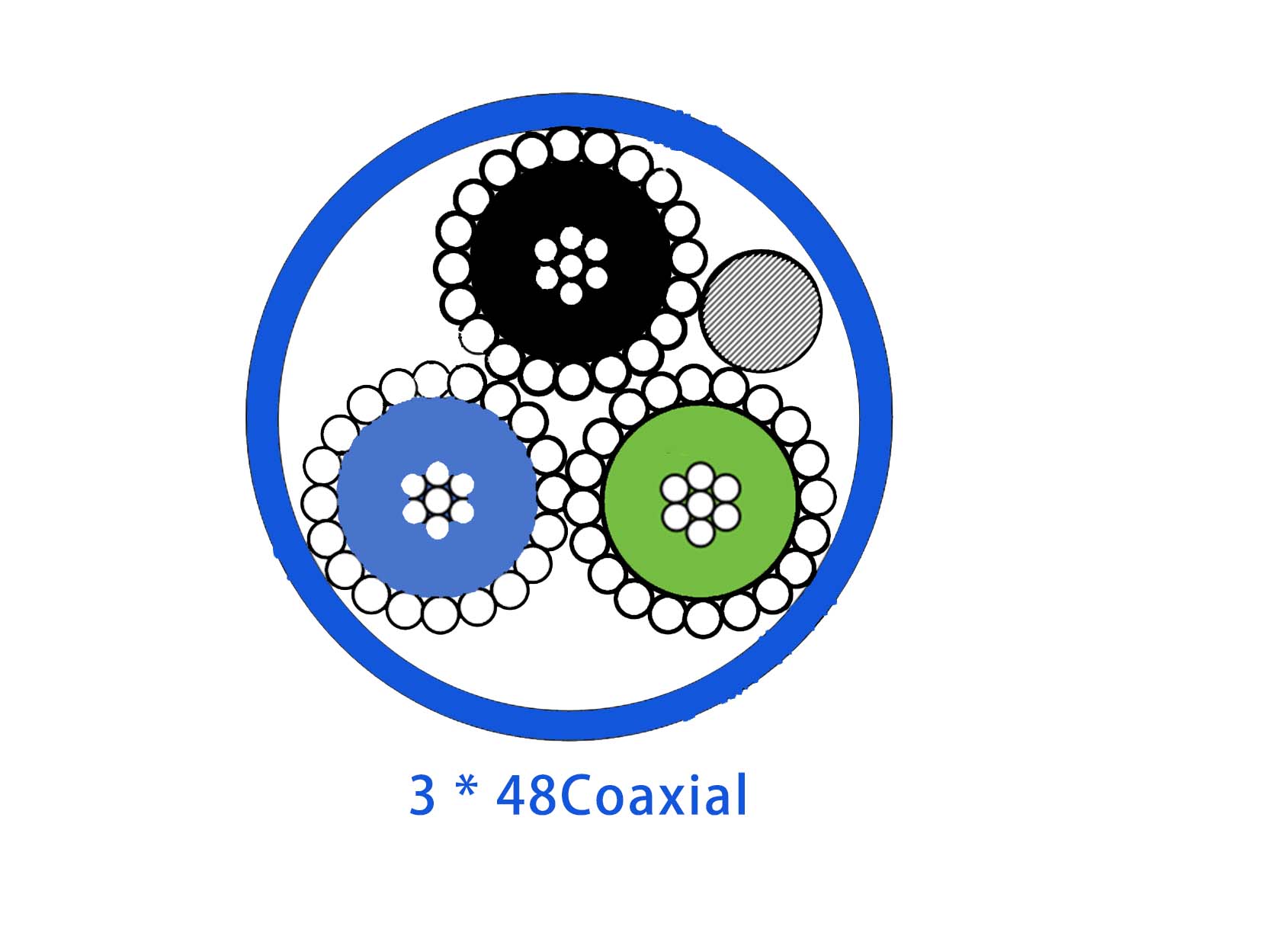
OV2740 compatible endoscope camera cables
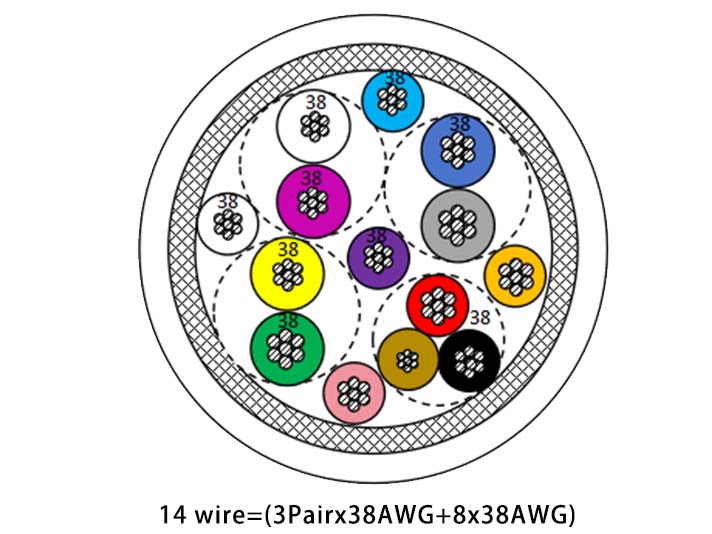
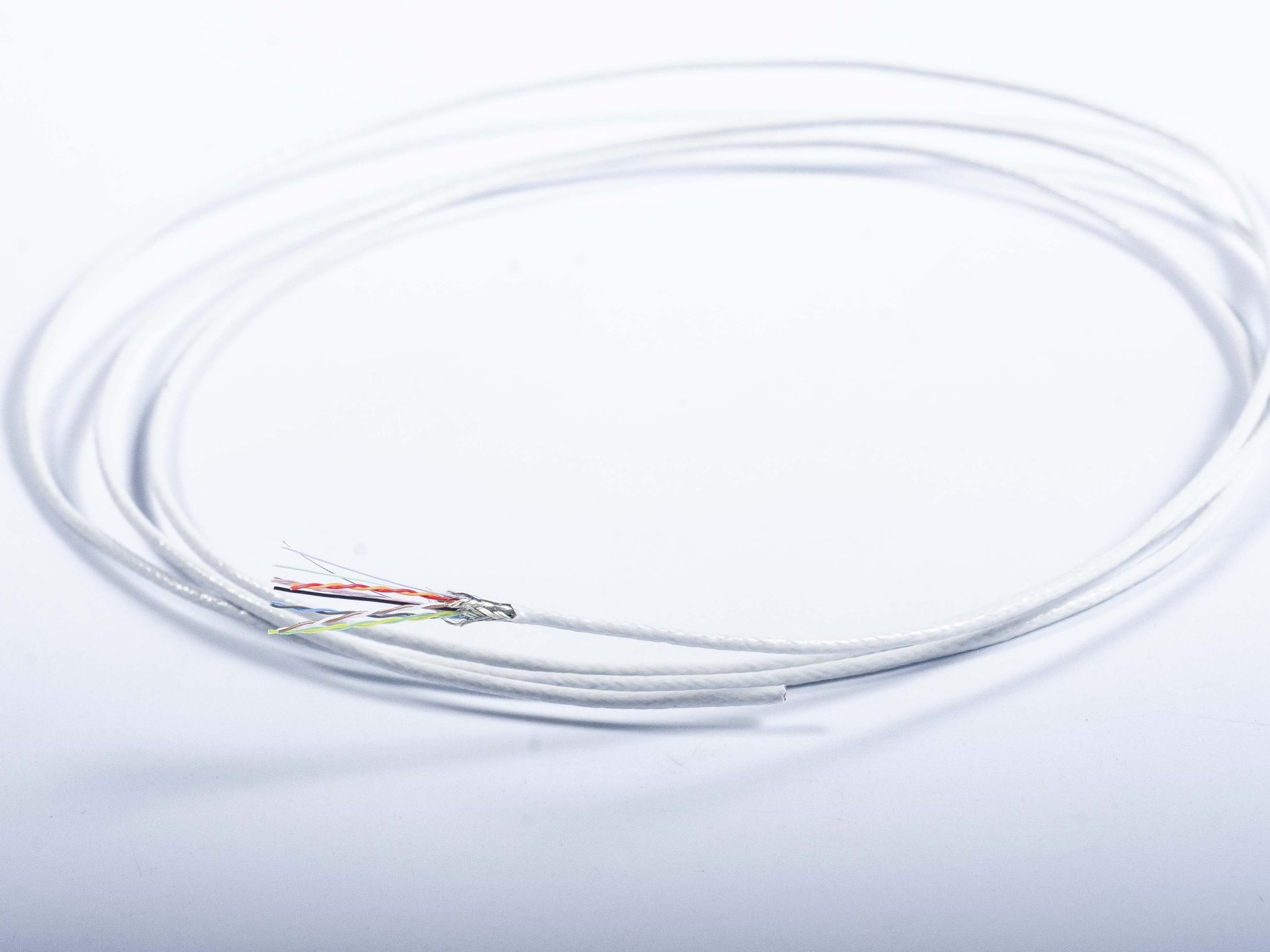
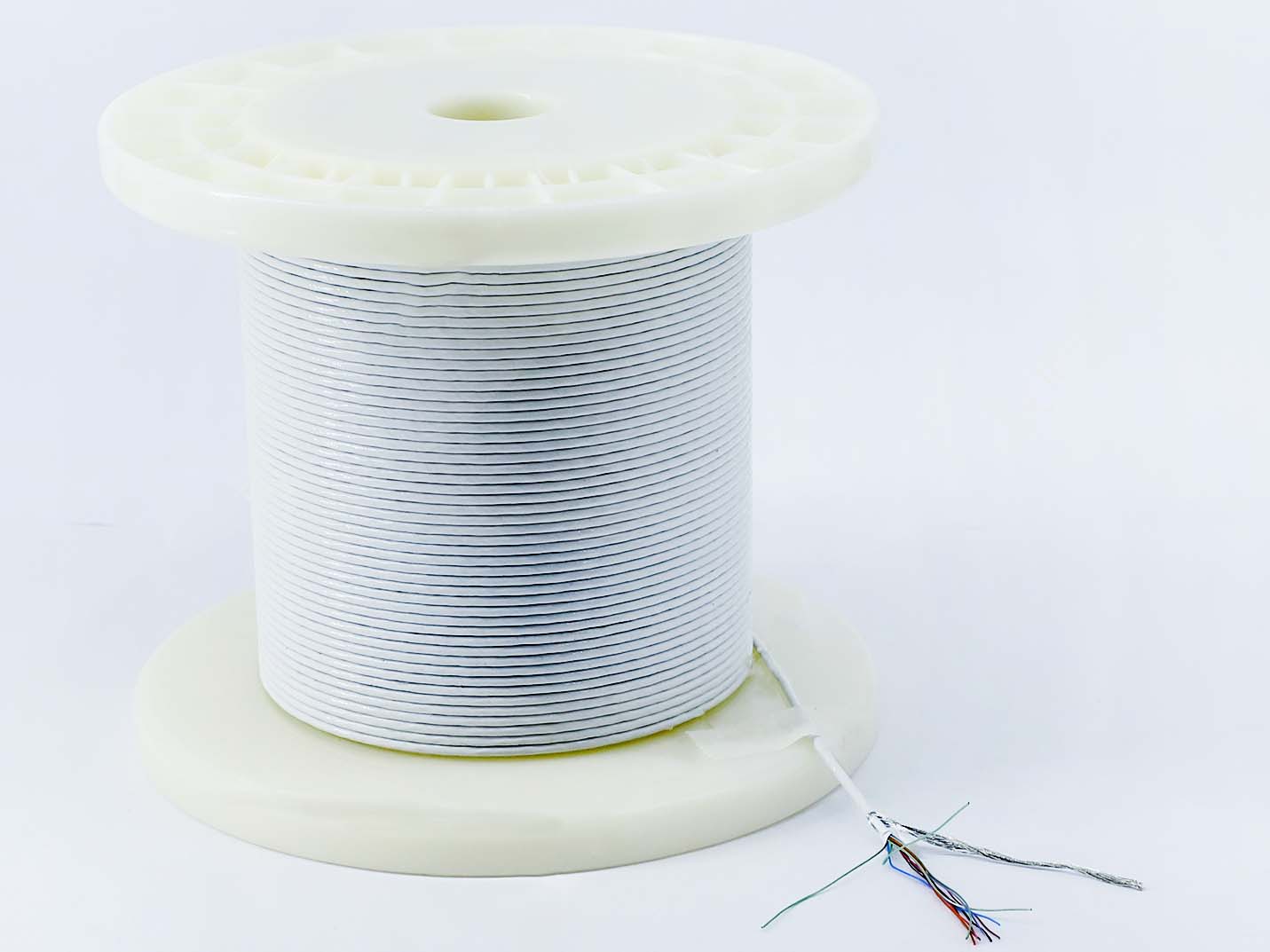
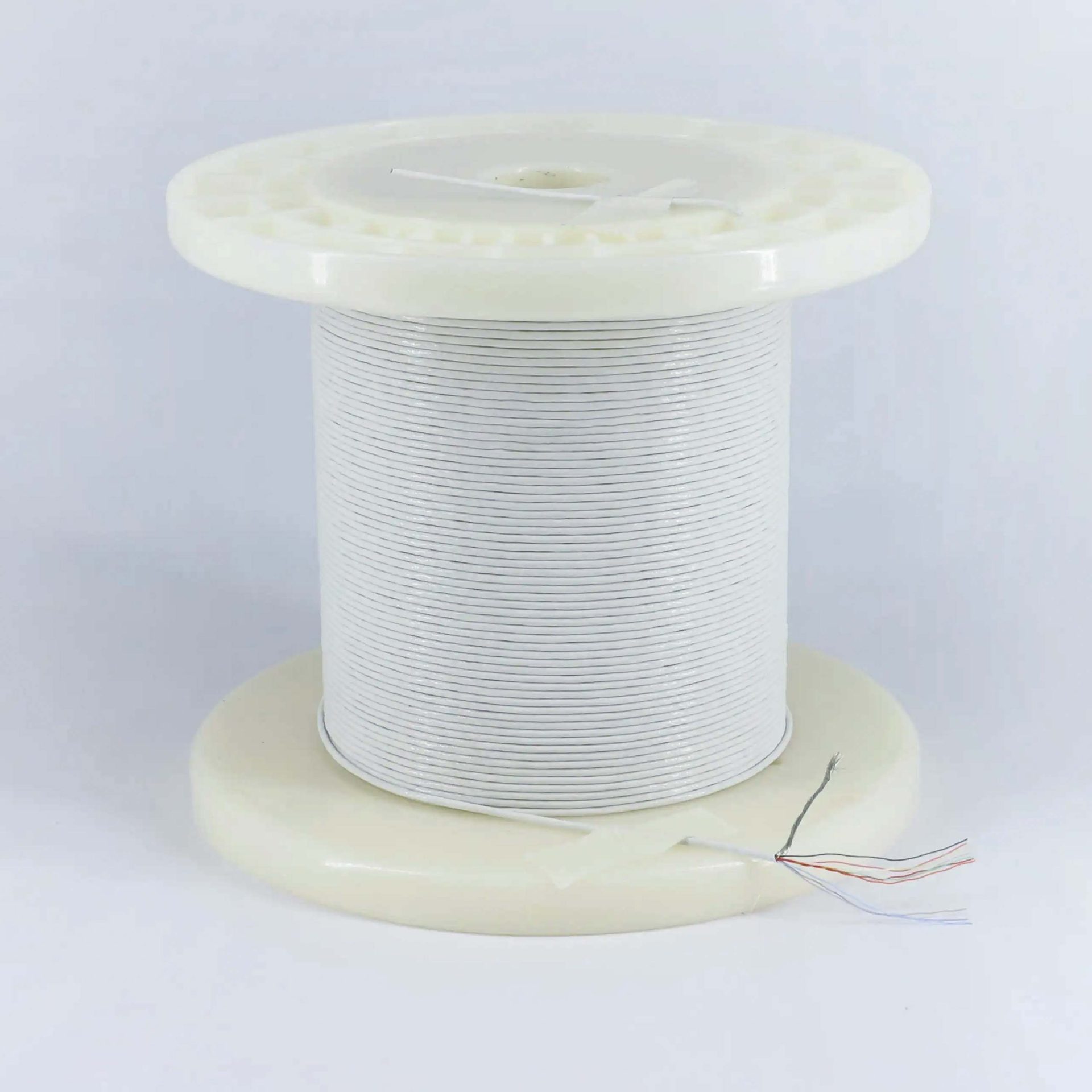
OV9734 compatible endoscope camera cables
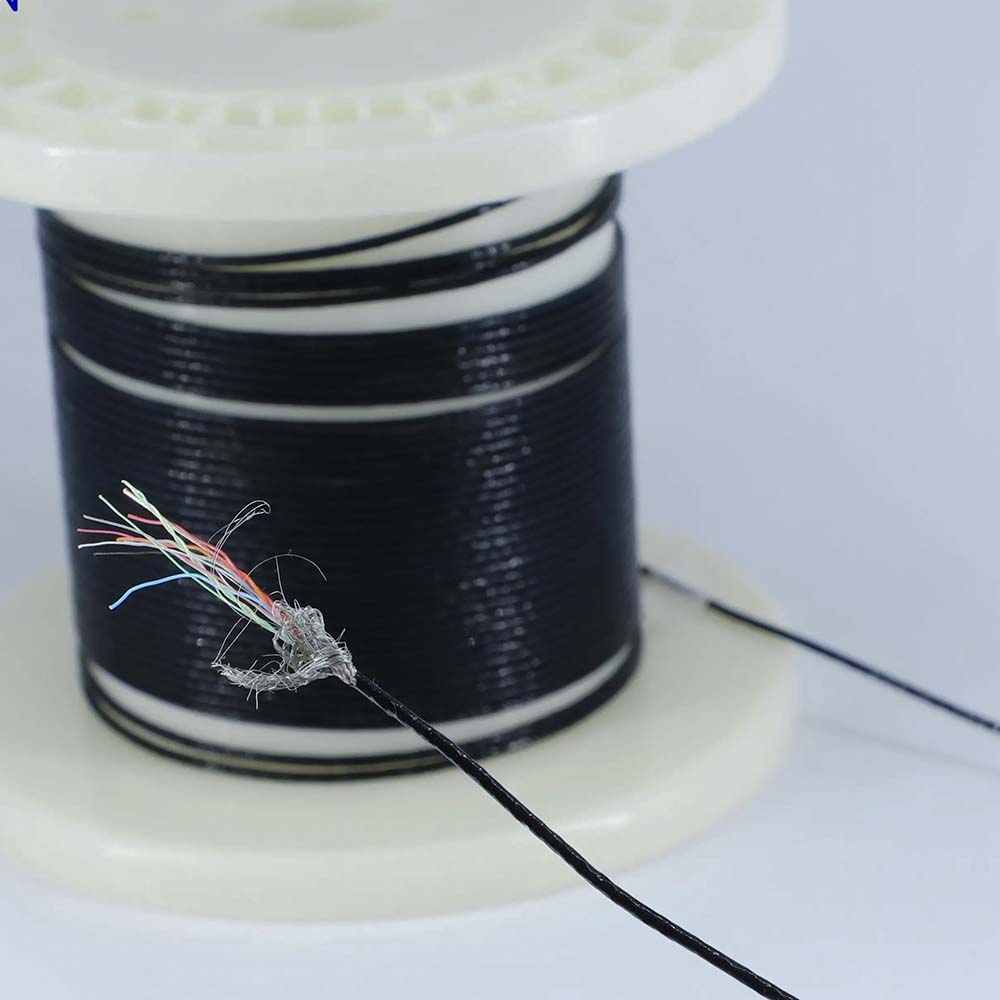
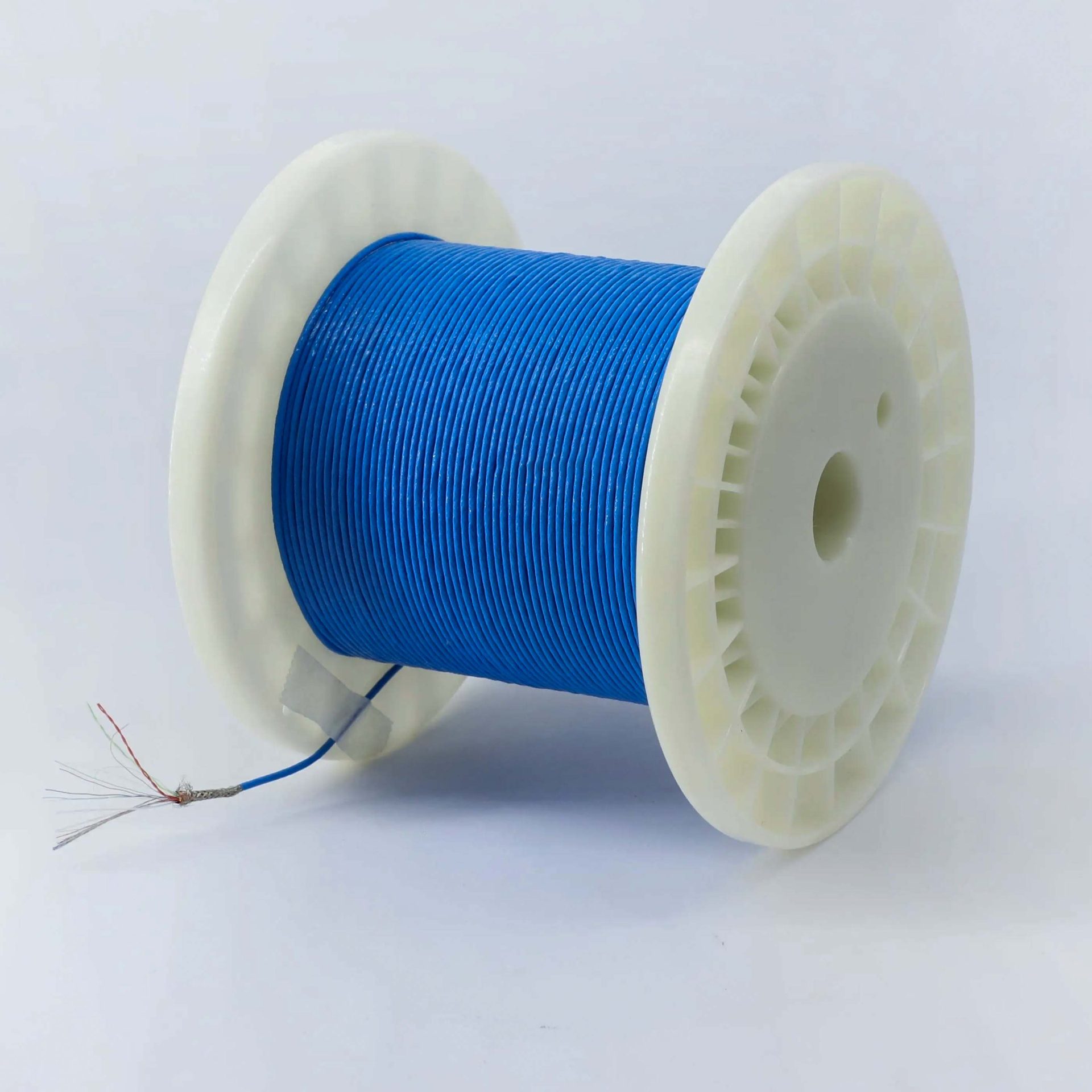
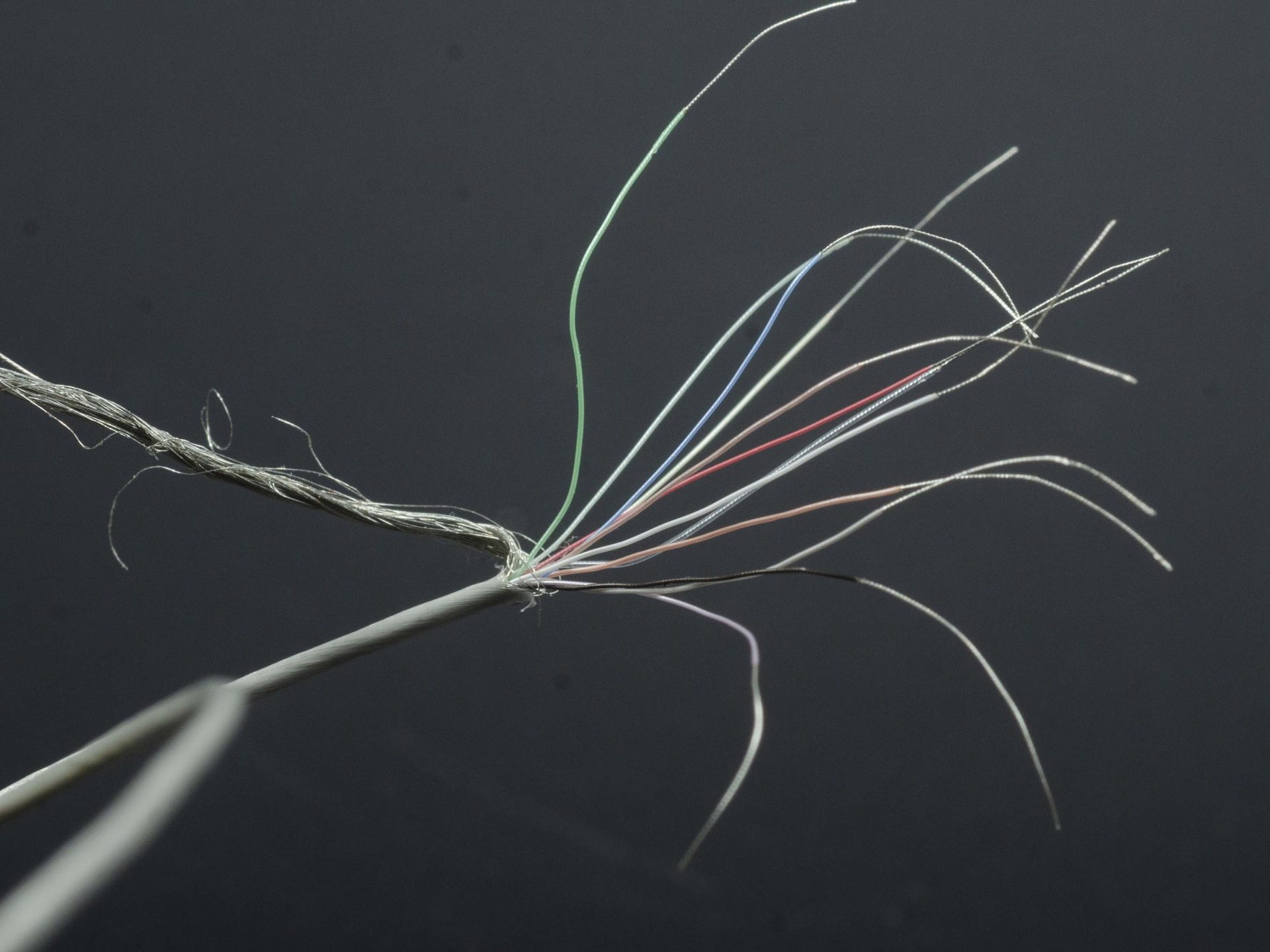
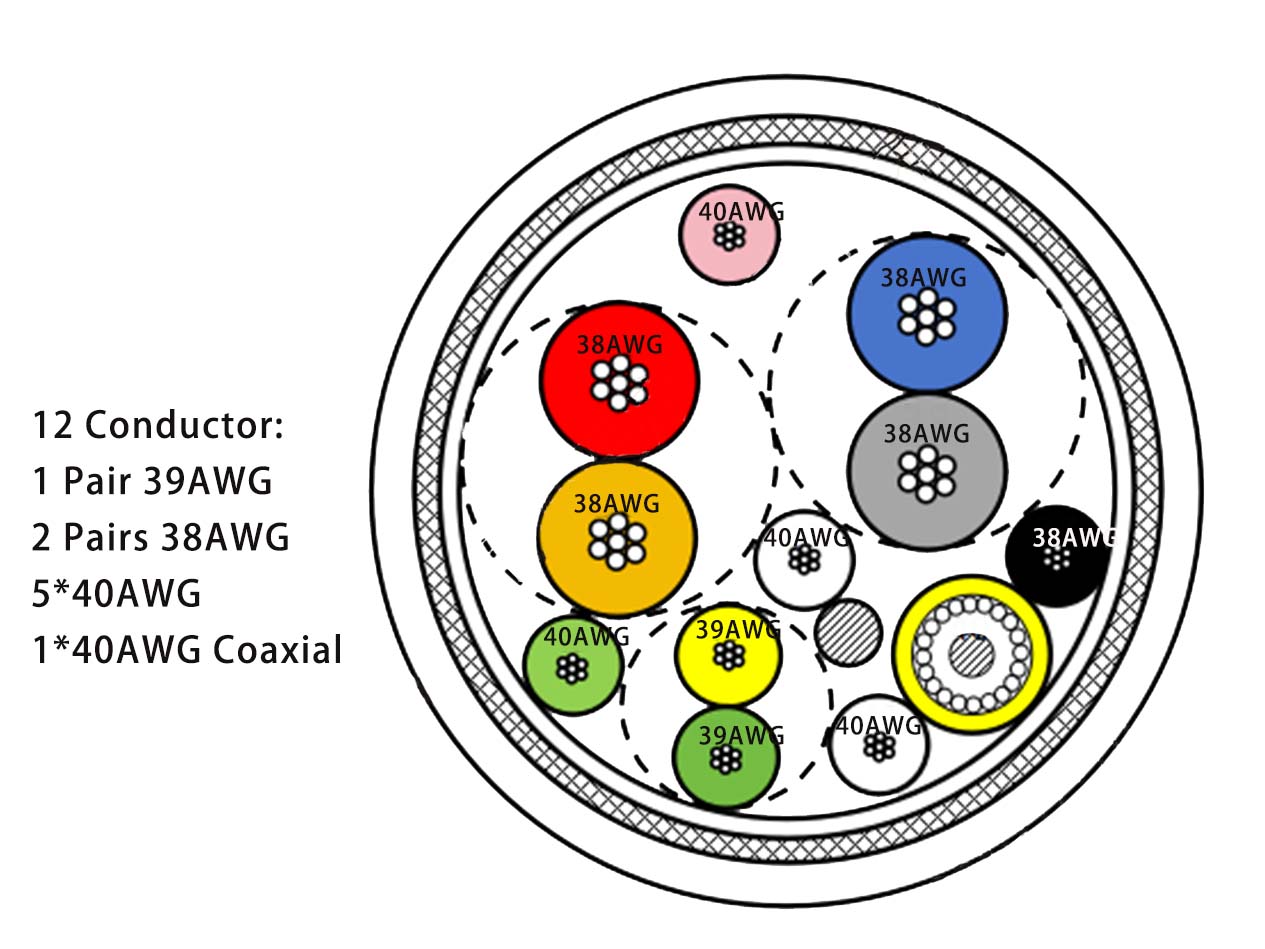
OV6946 compatible endoscope camera cables
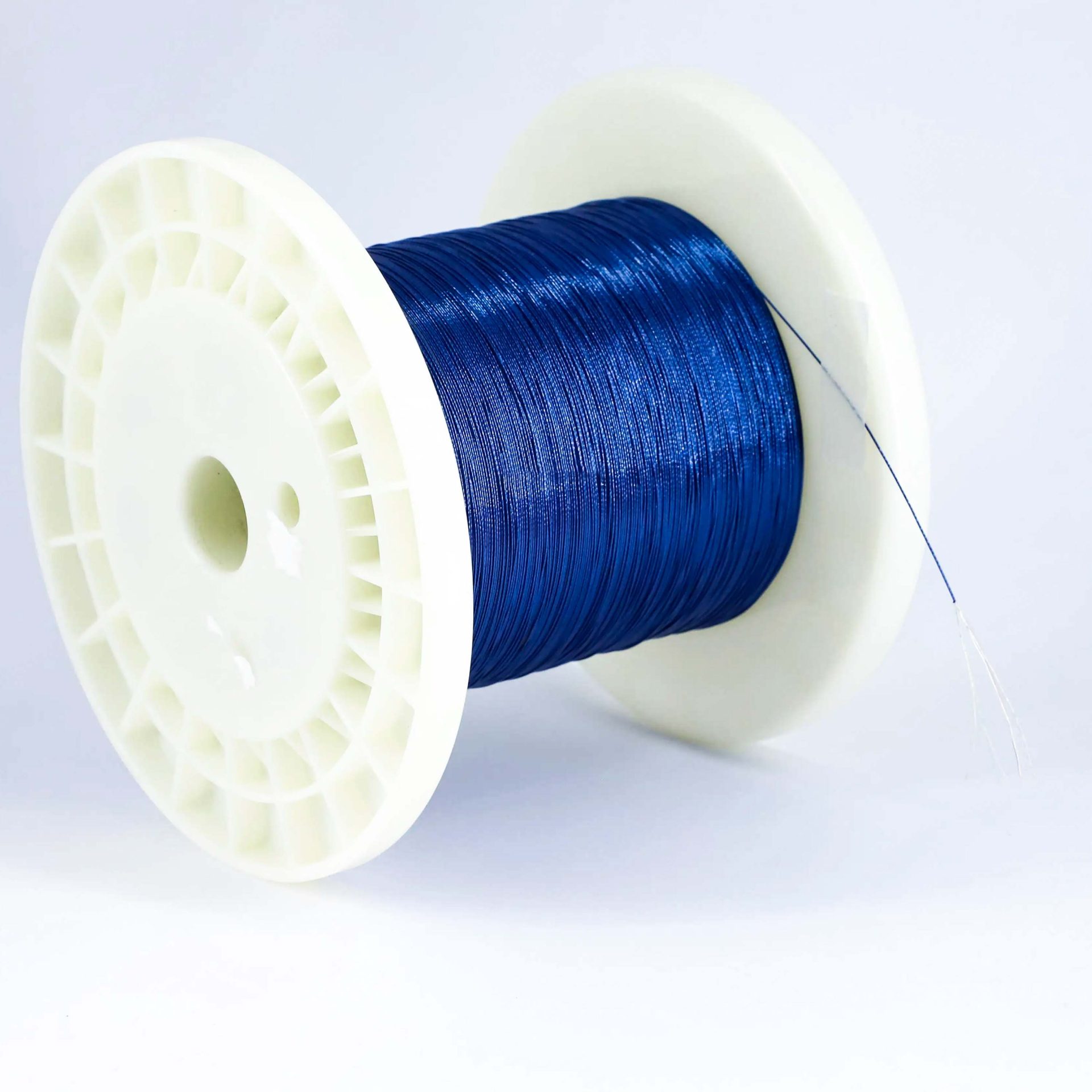
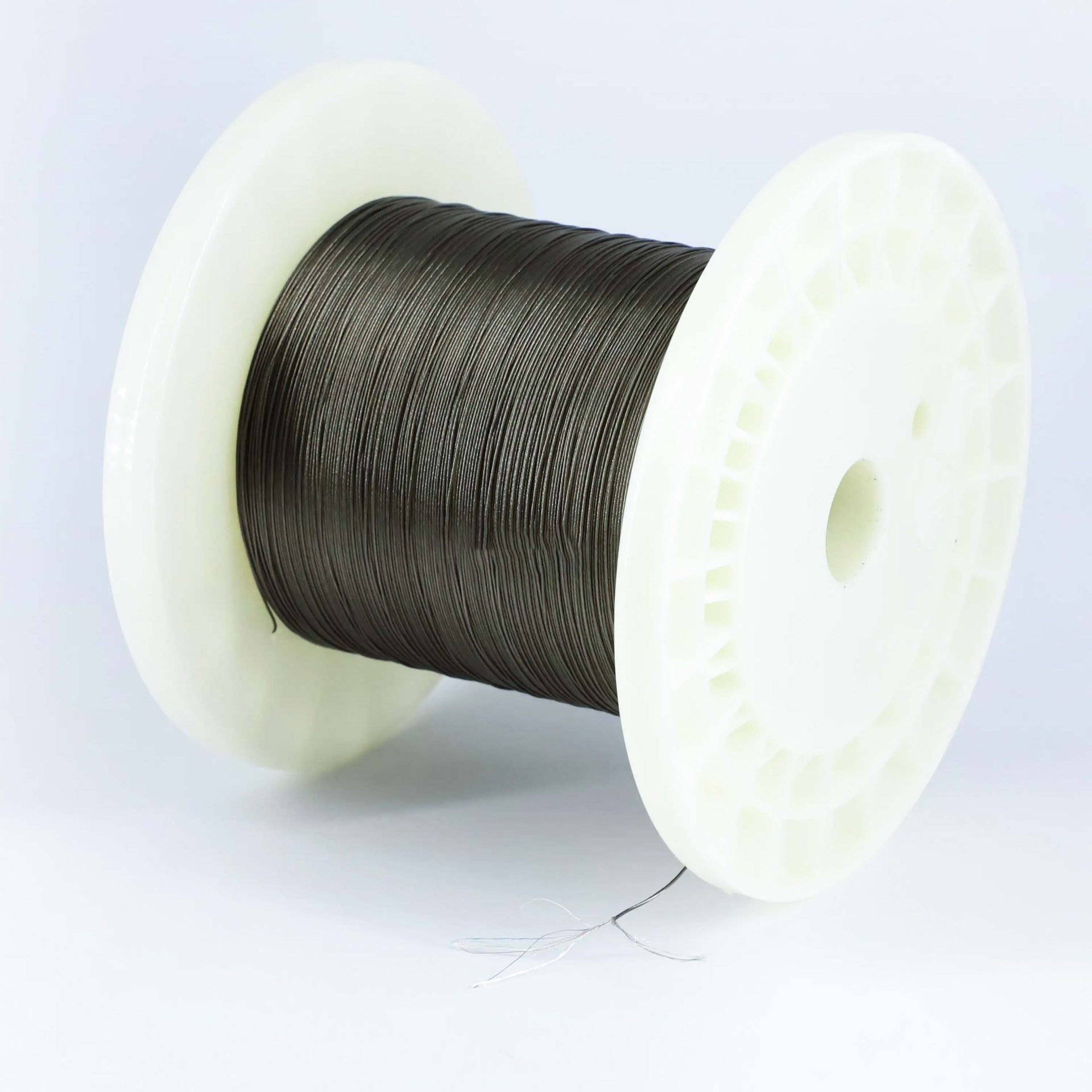
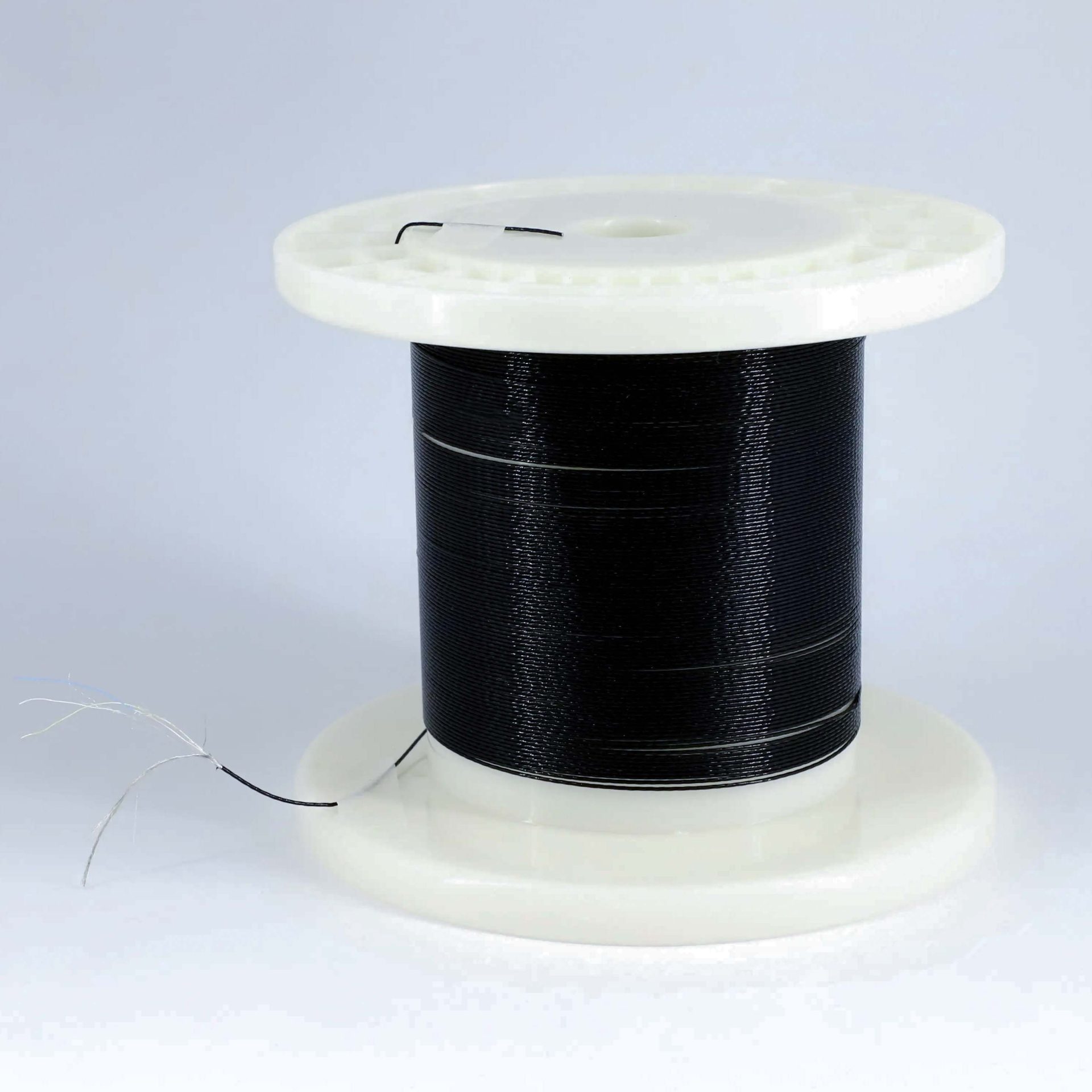
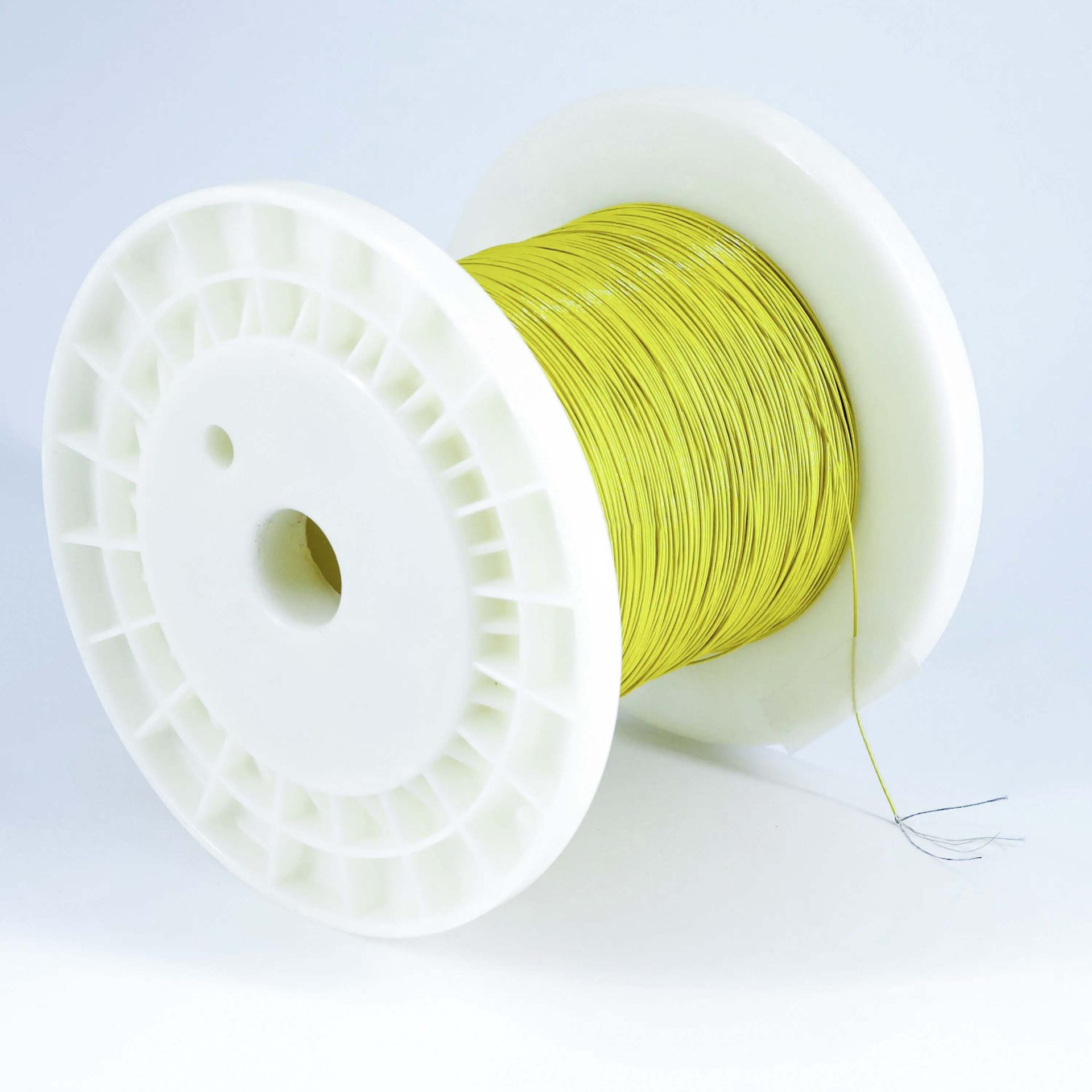
Even when you are working with OCHTA10 / OV2740 / OV9734/OV6946, the required camera wire may differ due to wiring and integration. For full-scale manufacturing or aftermarket replacements, you can browse our comprehensive catalog of compatible medical endoscope cable assembly solutions to find the exact configuration for your device.
Compatibility depends on integration—not just the module name
The “right” cable is defined by how the camera module is wired and how the cable is integrated into your endoscope system.
That can affect:
- Cable internal build / conductor configuration
- Shielding / EMI considerations
- Connector/termination fit
- Length and routing feasibility
Because these details may not be visible from the module name, engineering confirmation is often required.
OD / pass-through constraints: the most common real-world blocker
In many installations, the cable must pass through a tube/channel during assembly.
That means outer diameter (OD) and routing space become critical.
If the cable is:
- too thick for the available channel,
- can’t pass through during installation,
- or you need an ultra-thin solution for your routing path,
…then compatibility is not just electrical—it’s also physical.
This is why we ask for your pass-through constraint early.
Even if you don’t know the exact OD value, you can describe it as:
- “can’t pass through”
- “too thick”
- “needs ultra-thin”
How we confirm compatibility (engineering-based)
To recommend the correct cable build, we perform an engineering-based compatibility check using the inputs you provide, such as:
- Camera module reference (OCHTA10 / OV2740 / OV9734)
- Required cable length
- Your pass-through / OD constraint (description is fine)
- Any available sample and/or specification/drawing (if you have)
This helps reduce major risks like:
- connector mismatch
- image noise / instability
- electrical signal issues
Need a custom solution?
If your project requires an endoscope camera cable that matches specific wiring needs and OD/pass-through constraints, we can support a custom prototype and help you move from validation to production.
Prototype / sampling timeline: 2–3 weeks
Mass production timeline: 3–5 weeks (after specification confirmation)
FAQ
If the camera module model is the same, why might the cable still be different?
Because the cable must match system integration requirements (wiring/core build, shielding, termination fit) and real-world routing constraints. The module name alone doesn’t guarantee cable compatibility.
What if I don’t know the exact OD number?
You can describe the constraint in practical terms (e.g., “can’t pass through,” “too thick,” “needs ultra-thin”). We will translate your requirements into a buildable specification.
What risks do you help reduce?
We help reduce connector/fit mismatch, image noise/instability, and electrical signal issues by performing engineering-based compatibility confirmation before scale production.
If you’re working with OCHTA10 / OV2740 / OV9734 /OV6946 and need a cable that truly fits your system, share your requirements with us for an engineering compatibility check.