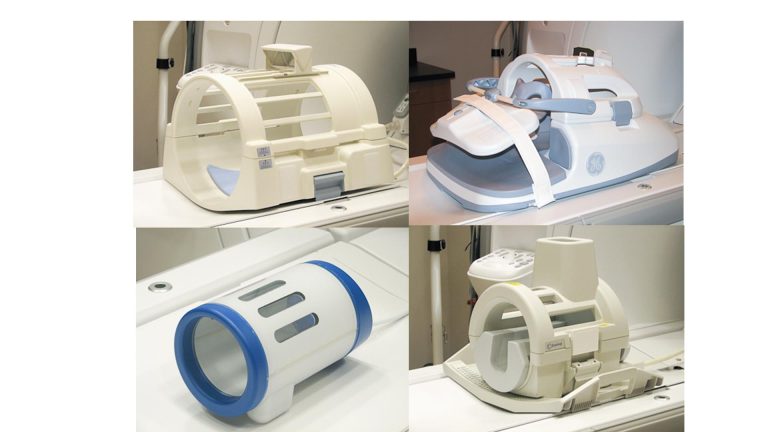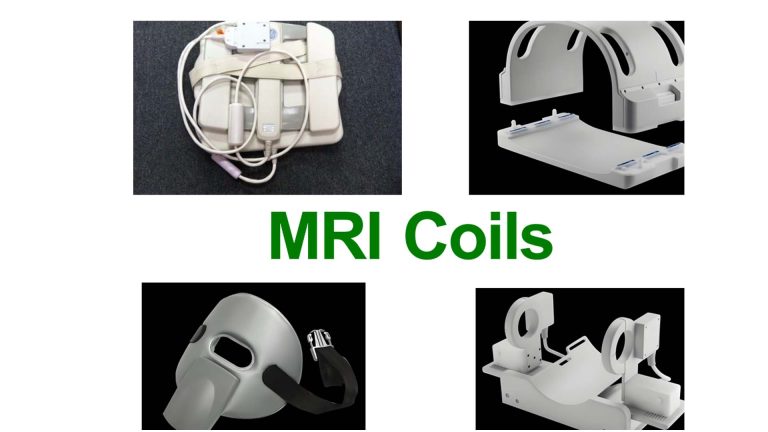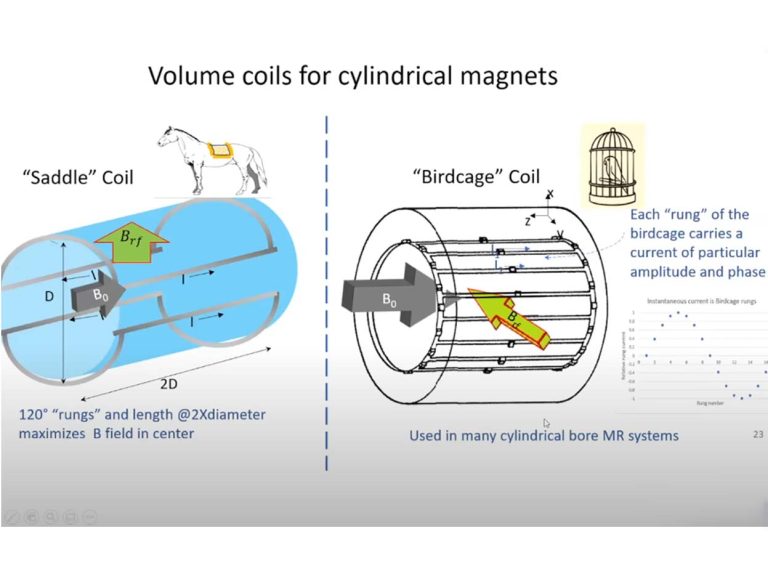
This PPT gives practical advice on GE and Siemens MRI coil Repair based on over 3500 repairs.
It covers common coil maintenance difficulties, step-by-step troubleshooting, and MRI coil longevity recommended practices.
Identification of problematic components, calibration, and preventive maintenance for maximum performance are covered. This paper offers practical advice for medical equipment technicians, radiology departments, and healthcare facilities to improve maintenance efficiency and reduce downtime.
MRI coil repair service providers, notably for GE,Siemens, and Toshiba, will detect and fix faults more efficiently.
Newcomers to coil repair will benefit from this guide..
Proven Techniques for Siemens MRI Coil Repair and Maintenance
Looking for reliable Siemens MRI coil repair cable replacements and diagnostic solutions? Maintaining image quality and minimizing diagnostic downtime are critical challenges for healthcare facilities and biomedical engineers. Based on our extensive experience of over 3,500 successful medical equipment interventions, we have synthesized this comprehensive guide to help technical teams excel in Siemens MRI coil repair and general coil troubleshooting.
MRI coils are highly sensitive components susceptible to mechanical wear, cable fatigue, and electronic degradation. By understanding the common failure modes and adopting industry recommended practices, radiology departments can significantly improve maintenance efficiency and extend total equipment longevity.
Common MRI Coil Failures: GE vs. Siemens
Different manufacturers design their RF coils with unique architectures, but they often share similar mechanical and electrical vulnerabilities.
1. Mechanical Damage and Housing Traumas
- Cosmetic and Structural Wear: Broken screw bosses, damaged stand-offs, and missing non-skid pads often go unnoticed but can compromise internal shielding. Utilizing medical-grade OEM MRI Cable assemblies during the shielding replacement ensures low-loss signal transmission.
- Housing Fluid Ingress: Missing or worn Velcro and cracked plastic housings allow scanning gels or cleaning fluids to penetrate, causing short circuits.
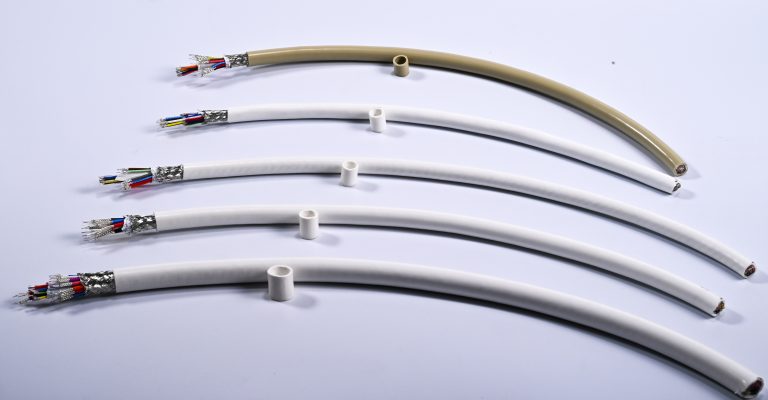
When performing GE MRI coil repair, replacing tired coaxial harnesses with medical-grade OEM MRI Cable assemblies ensures low-loss RF signal transmission and fixes intermittent SNR drops.
2. Electrical and RF Signal Failures
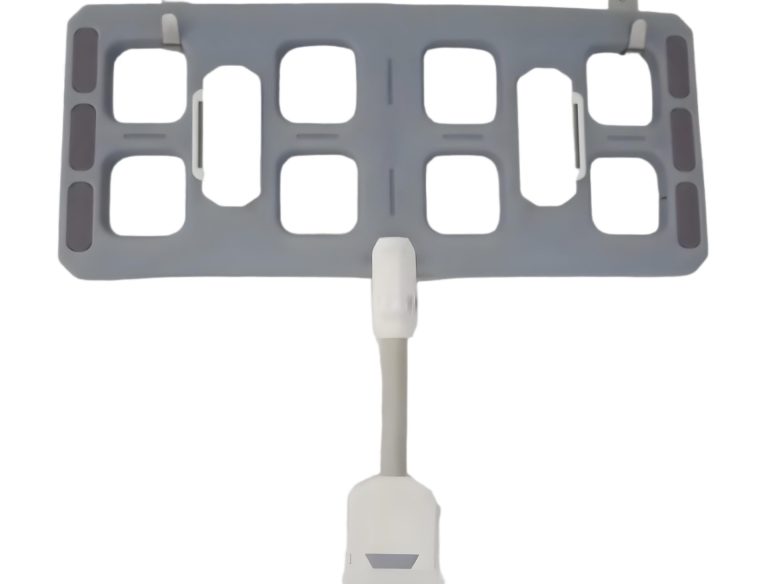
- Signal-to-Noise Ratio (SNR) Drops: Often caused by intermittent solder connections inside the coil multi-channel arrays.
- Cable Trauma: The high-frequency RF coaxial cables undergo repetitive positioning, leading to internal conductor breakage or shielding degradation, especially in high-flex environments.
Step-by-Step Troubleshooting for Radiology Technicians
When an artifact appears or a coil fails to calibrate, follow this structured diagnosis workflow:
- Visual Inspection: Check the mechanical condition. Look for housing damage, loose hardware, or cable sheath tears.
- Interface & Connector Check:Ensure the system plug system contacts are clean. Worn system interface pins are a primary source of intermittent signal loss. You can read our detailed diagnostic guide on why connector pins fail in MRI systems
to understand the engineering root causes. Additionally, learning how to identify connector contacts (machined vs stamped) correctly will prevent your team from ordering mismatched replacement parts - Artifact Analysis: Determine if the artifact is restricted to a single channel or across the entire volume to isolate faulty pre-amplifiers or detuning diodes.
- Preventive Maintenance (PM): Implement a weekly cleaning and inspection checklist to catch preventable damages before they cause unexpected downtime.
FAQ
What are the most common failure causes in Siemens MRI coil repair?
Over 60% of Siemens MRI coil failure issues stem from damaged multi-channel connector pins, cable sheath fatigue, and broken internal solder traces in high-flex environments.
Where can I source low-loss replacement cables for GE MRI coil cable repair?
We manufacture 50-ohm medical-grade OEM MRI Cable architectures specifically designed for GE, Siemens, and Toshiba MRI coil refitting.
Download the Complete GE and Siemens MRI Coil Repair Tips PPT
Want to train your biomedical team or save a handy diagnostic guide on your desktop? We have packaged our full troubleshooting checklist, component identification charts, and maintenance best practices into a downloadable presentation.
This practical guide is ideal for medical equipment technicians, radiology departments, and independent service providers (ISPs) specializing in GE, Siemens, and Toshiba systems.